
4U Ranch
Pricing Unverified
Peoa, Utah
200 guests Indoor/OutdoorMountain Ranch
Starting at $16,500
View details →Discover estate wedding venues in utah. Compare pricing, capacity, and photos of venues that fit.
Booking an estate-style venue is often about more than a pretty address. You’re balancing guest capacity, how the space flows from ceremony to reception, and what’s actually included versus what you’ll need to bring in. Estate Wedding Venues in Utah range from historic mansions to modern luxury properties with both indoor and outdoor areas, so deciding where to focus starts with your headcount, layout needs, and how hands-on you want to be with vendors and rentals.
Pricing, capacity, and amenities shown come from the latest information stored in our directory. Details can change by date, season, guest count, and package. Confirm current specifics directly with each venue.
This category currently includes 23 venues that meet the qualification that a venue’s reviewed structured classification includes Estate. That pool spans Utah cities large and small—18 in total—so you can compare options without locking yourself into one market too early. The directory lists both indoor and outdoor options at every match in this set, which matters for weather planning and flow between spaces. Starting prices in this group range widely, from a floor of 695 at Eldredge Manor to a peak of 20000 at Amangiri, with a median starting price of 3000 and an average of 4815. Fourteen venues sit in the “Under $5,000” starting-price bucket, six land between $5,000–$9,999, and a smaller number reach into five figures. On capacity, the largest listed maximum in this set is 1200 at The Lodge at Blue Sky, while the smallest is 50, creating real variety for both intimate and large guest counts. Most common classifications skew toward Mansion, with other labels like Luxury Estate and Luxury European also represented.
Before you compare aesthetics, decide what success looks like on paper: the minimum capacity you need, the rental duration that fits your timeline, and your tolerance for vendor restrictions. From there, you can use the venue grid and filters to prioritize properties that match your logistical needs first and your stylistic preferences second.
Estate venues can mean historic mansions, luxury compounds, or large private properties configured for events. The common thread is a multi-area setup—often a mix of indoor rooms and outdoor lawns or courtyards—which creates great flexibility but also adds coordination steps. Start by confirming seasonal availability. In Utah, outdoor-friendly months are popular, and many estates limit peak-season dates or segment access to specific gardens, terraces, or rooms depending on the time of year. Ask which spaces are included for your season and what weather contingencies they offer the same day. Weather backup where relevant should be spelled out in writing. Because every venue in this collection offers both indoor and outdoor options, clarify the exact indoor rooms reserved as Plan B, their capacities for your intended layout (ceremony, dinner, and dance), and the deadline for making a weather call. If tents are allowed or offered, confirm permitted sizes, placement, anchoring rules, and any additional power or permitting needs. Power, sound, and lighting are common friction points on estates with large lawns or separate wings. Verify available electrical circuits and outlets in each space you’ll use (ceremony, cocktail hour, reception, catering prep, photo booths). Ask for the venue’s sound policies, including decibel limits, end times, and any restrictions for amplified music outdoors. For lighting, determine what is permanently installed versus what’s considered an add-on—market lights, uplights, path lighting—and who handles installation and teardown. Walking surfaces and accessibility vary widely across estates. Map guest flow from parking to ceremony, cocktail hour, dinner, and restrooms. If there are stairs, gravel, lawns, or long paths, discuss accommodations for guests using mobility devices and any rules for golf carts or shuttles. Identify ADA-compliant restrooms and accessible routes you can count on regardless of weather. If you’re planning a grand exit or sparkler send-off, confirm safe, accessible staging areas and any venue-specific policies. Included rentals and setup scope can materially change your budget. Estates often include some combination of tables, chairs, and on-site coordination, but the mix differs. Ask for an itemized list of included inventory with quantities and styles, plus replacement options if your guest count exceeds what’s on hand. Clarify the venue’s setup responsibilities (who places tables and chairs, linens, decor) and the cleanup scope (what the venue handles versus what your caterer or planner must do). If the venue offers in-house or preferred catering, bar service, or on-site coordination, get a clear description of deliverables and any mandatory fees tied to those services. Finally, confirm spacing rules and noise curfews typical of residential or semi-residential areas. Estates sometimes carry neighborhood or municipal conditions that affect amplified sound, outdoor end times, and parking. Get these parameters early so you can structure your timeline—and vendor contracts—accordingly.
- What is included in the starting rental price? Ask for a line-by-line breakdown of spaces, hours, staffing, furniture, and basic equipment so you can compare like with like across multiple estates. - What mandatory charges are added? Clarify taxes, service charges, insurance, security, cleaning, or supervision fees, plus any separate ceremony site fee, tenting fees, or required rentals. - Are outside vendors permitted? If there is a preferred or required list, ask how substitutions work, what approvals cost, and whether outside bar services or specialty rentals are allowed. - Are setup and cleanup included? Define what the venue sets, what your caterer or planner must handle, and what must be removed the same night. Note labor cutoffs and overtime rates. - What is the rental duration? Confirm access times for vendor load-in, rehearsal, ceremony, reception, and strike. Ask if early access or next-day pickup is available and what it costs. - How much is the deposit and when is final payment due? Request the exact deposit amount, schedule, accepted payment methods, and whether payments are refundable under any conditions. - What are the cancellation and rescheduling terms? Get the policy for date moves, partial refunds, force majeure, and name changes in writing, including deadlines and fees. Follow-ups that make comparisons easier: - Capacity by layout: Request max counts for ceremony seating, dinner rounds, long tables, and a rain-plan configuration. Note which rooms or lawns those numbers assume. - Sound and timing rules: Note amplified music cutoffs and quiet hours; confirm any indoor-only policies after a set time. - Parking and transportation: Ask about on-site spaces, valet permissions, shuttle staging, rideshare zones, and coach-bus access. - Power and lighting: Get circuit availability and recommended distribution points for band/DJ, catering, and lighting vendors. - Insurance: Confirm liability coverage requirements for you and each vendor, and whether your event policy must name the venue as additionally insured.
Guest logistics come first on estates with multiple zones. Map the full guest journey—from arrival and signage to ceremony, cocktail hour, dinner, and exits—so people aren’t guessing where to go. Build wayfinding into your rentals order: extra signage, lighting for paths, and, if needed, stanchions or ushers to guide transitions. For larger headcounts, designate separate vendor routes to keep back-of-house movement away from guest areas. Weather backup remains central for Utah estates because all venues in this set offer both indoor and outdoor options. Pre-assign your Plan B room set with exact table counts and a ceremony focal point, and confirm your vendor timelines for a fast flip if rain or wind forces a move. If you’re considering heaters or tenting, coordinate early with the venue on placement, power draw, safety clearances, and permitted vendors. Vendor coordination benefits from a shared site map. Provide your caterer, planner, entertainment, photographer, and rental company with a scaled diagram showing load-in points, power locations, and room flips. Estates frequently have noise curfews and route restrictions; include those in your vendor briefs to avoid last-minute changes. If the venue includes coordination, define who has final say on weather calls, the run of show, and any room changes. Timing of setup and cleanup can compress quickly on properties with back-to-back events or residential noise rules. Confirm earliest load-in, any restrictions during ceremonies, and when amplified sound can begin. Build buffer time for lawn or floor protection, lighting installs, and vendor testing. For strike, detail what must be removed the same night versus what can be collected the next morning—and ensure contracts with rentals, florals, and entertainment align with those rules. Transportation planning is often overlooked on estates. If on-site parking is limited or dispersed, arrange shuttles and identify ADA-friendly drop zones. Provide rideshare pins that direct guests to the correct gate or entrance, and staff those points during peak arrival times. For events exceeding dinner-only durations, schedule restroom checks and trash cycles; sprawling grounds can hide maintenance needs if no one is assigned to monitor them. Finally, protect your layout against bottlenecks. Wide bars, dual-sided buffets, and clearly marked restrooms keep lines short. If your ceremony and reception share the same lawn or hall, plan a cocktail holding area to enable a clean room flip without guest crowding.
This list updates automatically whenever new venues match the criteria.
Starting at $16,500
View details →Starting at $5,000
View details →
Starting at $2,045
View details →
Starting at $7,500
View details →
Starting at $695
View details →
Starting at $1,000
View details →
Starting at $2,500
View details →
Starting at $5,500
View details →
Starting at $2,600
View details →
Starting at $2,000
View details →
Starting at $2,995
View details →
Starting at $5,000
View details →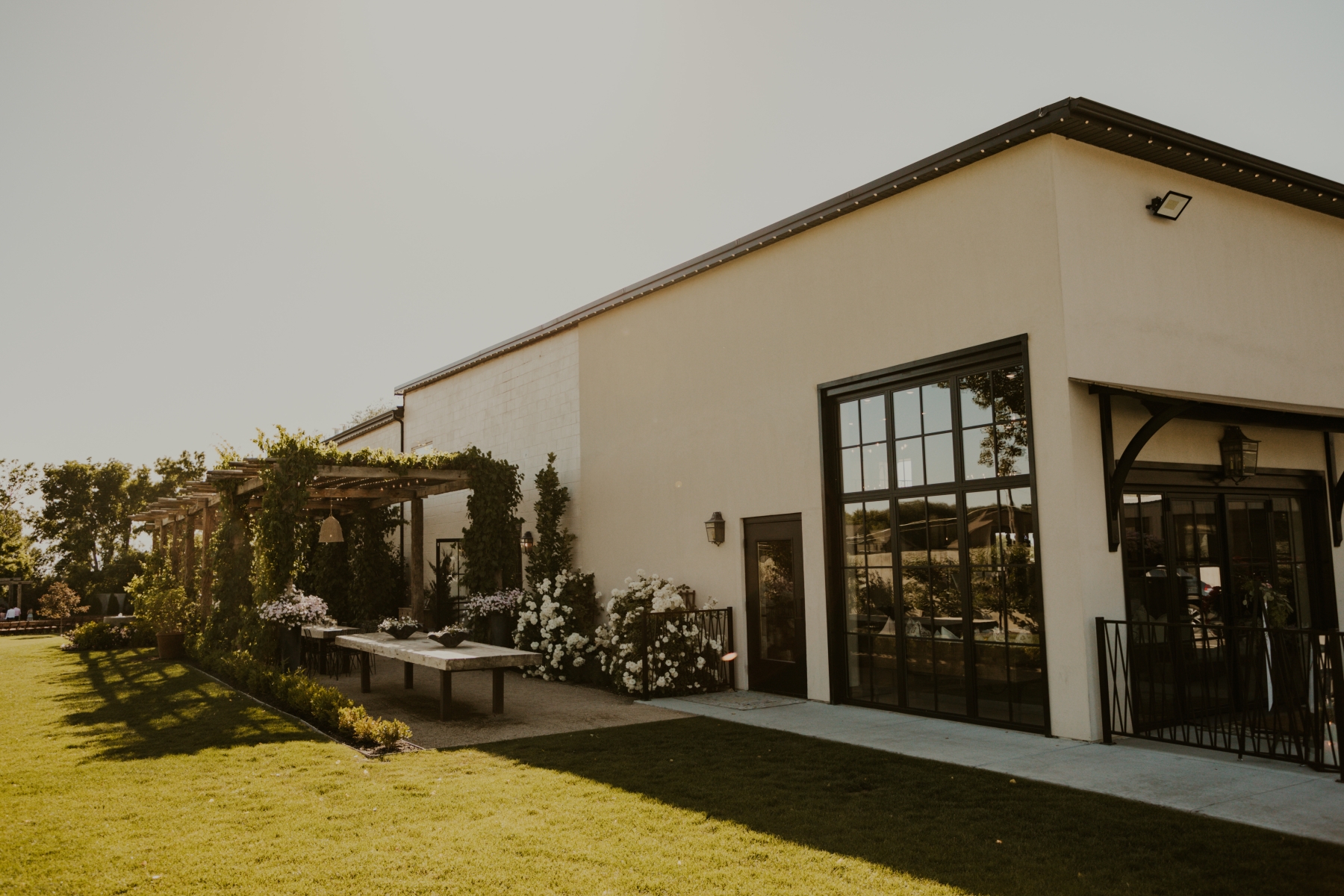
Starting at $3,500
View details →
Starting at $3,100
View details →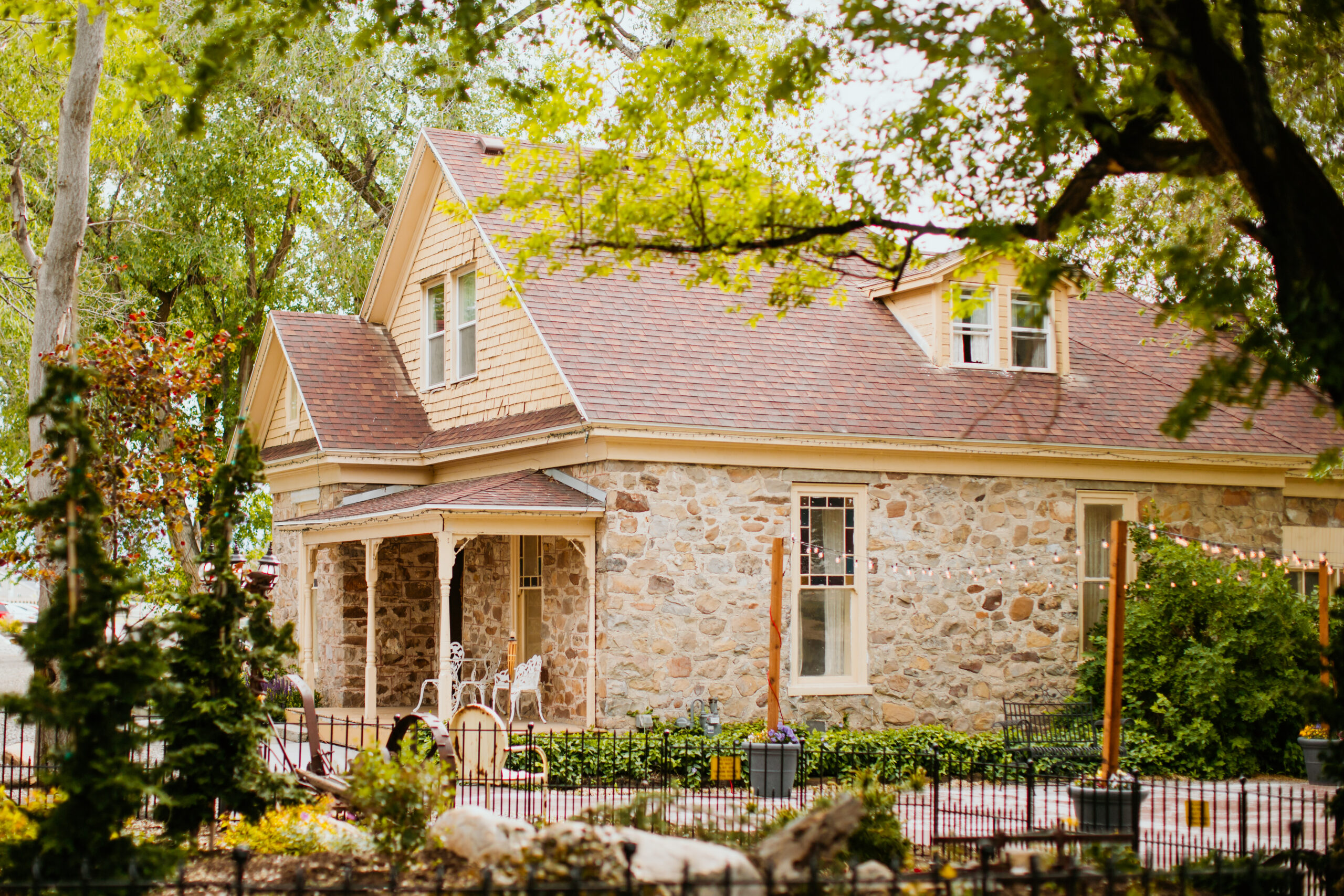
Starting at $1,800
View details →
Starting at $3,000
View details →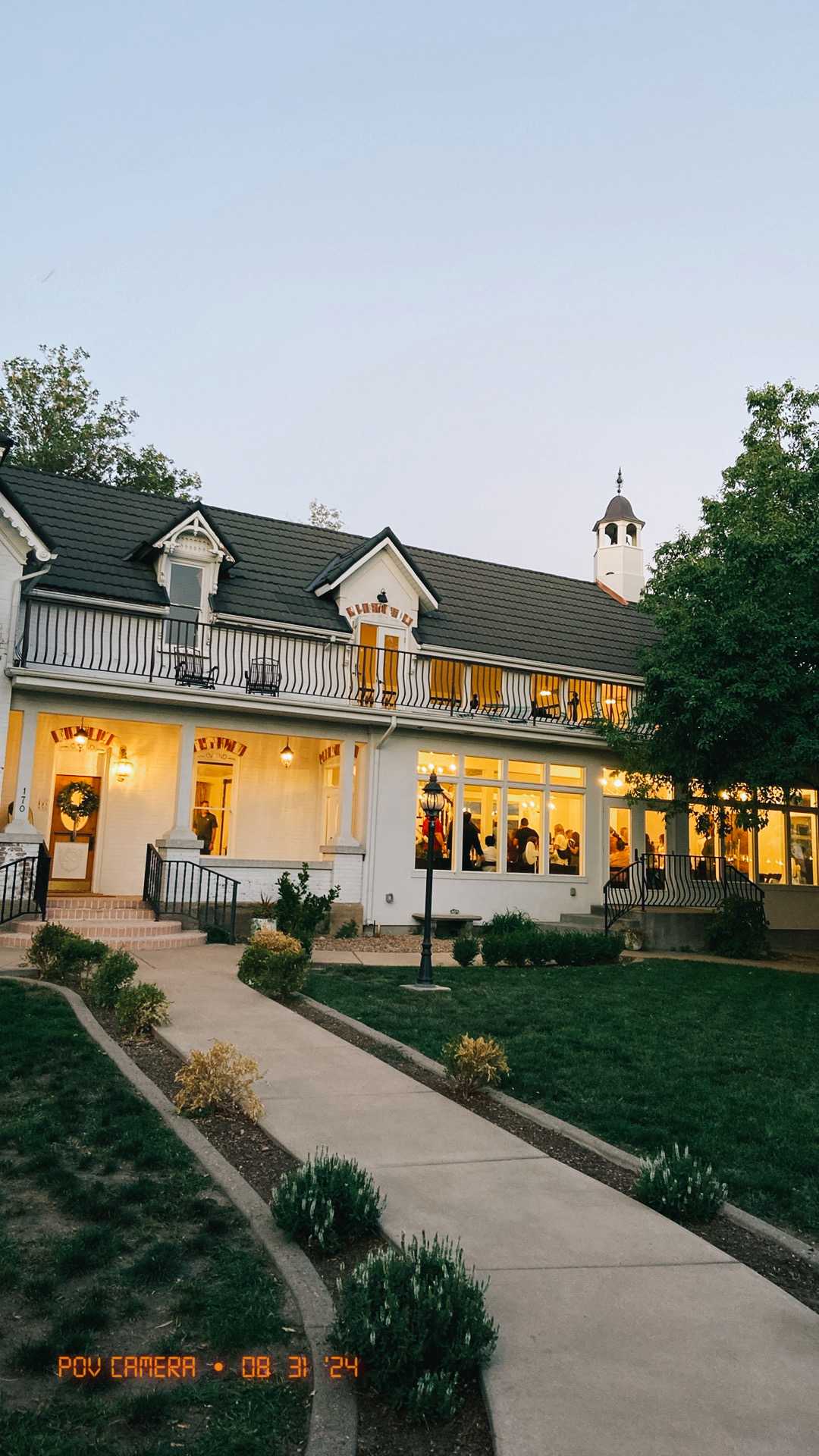
Starting at $1,500
View details →
Starting at $5,500
View details →
Starting at $20,000
View details →
Starting at $2,000
View details →
Starting at $6,000
View details →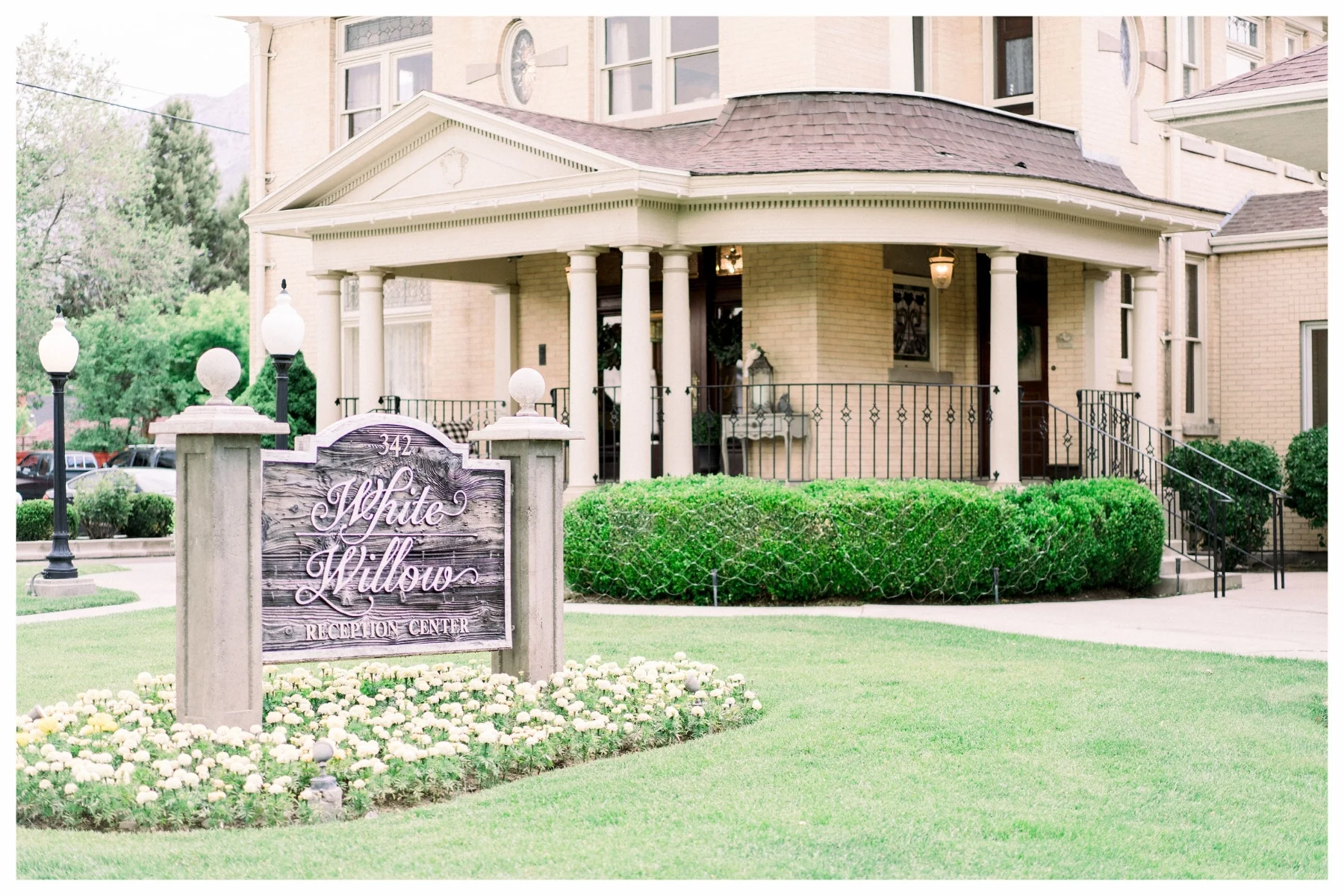
Starting at $1,000
View details →
Starting at $10,000
View details →Request a detailed, line-by-line estimate from every estate venue so you can compare spaces, hours, staffing, rentals, and mandatory fees on equal footing.
Confirm that the quoted rate applies to your specific season, day of week, and expected headcount; note any surcharges for peak dates or larger capacities.
Ask for maximums for ceremony seating, dinner rounds versus banquet-style, and a rain-plan configuration to avoid surprises on space limits.
Write down deposit amounts, payment schedules, and due dates so vendor and venue obligations stay aligned.
Review rescheduling windows, refunds, and force majeure language before you sign.
List all included tables, chairs, and equipment, and note which items require an add-on fee or outside rental.
A venue qualifies for this page when its reviewed structured classification includes Estate. The classification comes from structured data fields, not marketing language or assumptions based on the venue’s name or style descriptions.
Yes. The venues currently listed for this category all show both indoor and outdoor options in their structured data, so each property provides spaces that can function as weather backup. Confirm which rooms are reserved for your date and their capacities by layout.
Seasonality varies by property, but demand typically concentrates in outdoor-friendly months. Because availability and access to specific lawns, terraces, or rooms can change by season, verify which spaces are included for your date and what the rain or wind contingency entails.
In this category, many venues list some combination of tables, chairs, setup and cleanup support, and coordination or catering options. The mix differs by property, so request an itemized inclusion list with quantities, styles, and any mandatory service charges.
Confirm the rental duration and access times, itemized inclusions, mandatory fees, vendor policies, capacity by layout (including rain plan), payment schedule, and the cancellation and rescheduling terms. Align those details with your vendor contracts to avoid conflicts on the day of the event.