
Starting Price Verified
The Bright Building
Starting Price Verified
Provo, Utah
350 guests Indoor/OutdoorEvent Venue
$1,250 Mon–Wed · $1,950 Thu · $2,250 Fri/Sun · $2,450 Sat
View details →Discover industrial wedding venues in utah. Compare pricing, capacity, and photos of venues that fit.
Industrial Wedding Venues in Utah are about more than exposed brick and metal beams. The best fit is usually a venue that can handle your guest count, vendor flow, lighting, and weather plan without losing the raw, urban character you’re looking for. Use this page to compare Utah venues that have been classified with an industrial style in our structured venue data, then narrow by city, capacity, indoor/outdoor setup, and price.
Pricing, capacity, and amenities shown come from the latest information stored in our directory. Details can change by date, season, guest count, and package. Confirm current specifics directly with each venue.
The directory currently includes 12 venues that meet this classification. Public pricing is shown only where it is currently listed in our directory; venues without published pricing are excluded from price comparisons. Capacities in this set span from the smallest recorded capacity to the largest recorded capacity. For couples planning around logistics, that means you can use this page as a practical starting point: filter for your expected headcount, then compare which venues offer indoor-only layouts versus flexible indoor/outdoor space.
Industrial venues in this set are spread across multiple Utah cities, including Salt Lake City, Provo, Ogden, Springville, West Jordan, South Salt Lake, Kaysville, and Nibley. That geographic spread matters because transportation, hotel blocks, and vendor travel fees can vary as much as the venue fee itself. On price, Bellissimo Gardens at Tuscany and 9 Acres Event Barn do not currently list public pricing in our directory, so they are not used as low or high price anchors for this collection. Use the comparison grid for venues with current listed pricing.
As you evaluate the shortlist below, look closely at what is included: tables, chairs, setup, cleanup, lighting, sound, and on-site coordination can change the real cost dramatically. Industrial spaces can also vary in how much decor they need. Some already have strong architectural texture; others are blank-canvas rooms where rentals and lighting become a larger part of the budget.
This page is intentionally structured around decision points couples actually use: location, capacity, price visibility, and practical amenities. Use the filters first, then open individual venue pages to confirm package details, restrictions, and availability directly with each venue.
Seasonal availability: Utah’s peak wedding months book early at many industrial and industrial-adjacent venues, especially those with indoor/outdoor layouts. Ask how availability shifts by season and day of week, and whether different months have different rental inclusions, hours, or sound restrictions. Weather backup where relevant: Most venues in this set list both indoor and outdoor options, which helps when a ceremony or cocktail hour moves inside. Confirm the exact indoor contingency plan (square footage, seating capacity for your intended layout, and how quickly a flip can occur). If the venue is indoor-only, map out nearby photo and arrival logistics so the plan isn’t weather-dependent. Power, sound, and lighting: Industrial spaces often have high ceilings and hard surfaces. Confirm dedicated circuits for band/DJ, caterer, and lighting; ask where power drops are located to avoid cables crossing guest paths. Clarify any in-house lighting you can control (dimmers, color wash, uplights) and any decibel or end-time restrictions. Walking surfaces and accessibility: Verify guest access from parking to the ceremony and reception areas, including elevators or ramps if multiple levels are in play. Note flooring transitions (concrete, brick, outdoor pavers) for guests using mobility devices or wearing heels, and confirm accessible restrooms on the same level as the main event. Included rentals and setup scope: Many venues in this set list tables, chairs, and setup/cleanup among their services, but the specifics vary. Ask which items are included at no additional charge, quantities available on-site, and any style limitations. Pin down who sets ceremony chairs, who flips the room, and what staff will be present during the event. If the venue allows outside catering, confirm what the caterer expects the venue to provide (power, prep area, trash handling) versus what the caterer brings. Load-in and vendor logistics: Industrial spaces typically handle deliveries well, but confirm the exact loading area, time windows, and any restrictions for box trucks. Request a floor plan showing door widths, elevator dimensions, and path-of-travel for large decor pieces. Alcohol and catering policies: Policies vary—some venues in this group list outside catering allowed, others show preferred lists or in-house options. Get clarity on any required vendor approvals, bar service rules, and who carries liquor liability coverage. Noise, curfew, and neighborhood fit: If the venue sits in a downtown or mixed-use area, verify amplified sound rules, load-out times, and any event end times that change by day of week. Make sure your timeline, transportation, and send-off plan align with those constraints.
• What is included in the starting rental price? Ask for a written list of included items (tables, chairs, staffing, setup/cleanup, dressing rooms, lighting) and which spaces you may use during each hour of the rental. • What mandatory charges are added? Clarify service fees, security, cleaning, overtime, insurance requirements, and taxes. Ask if any additional charges apply when using outside vendors or hosting both ceremony and reception. • Are outside vendors permitted? If yes, confirm approval steps, license/insurance requirements, and any venue coordination fees. If preferred vendors are listed, ask whether they are required or optional. • Are setup and cleanup included? Define what “setup” means (ceremony chairs, table placement, linens if applicable) and what “cleanup” covers (trash hauling, sweeping, mopping, rental breakdown). Note any responsibilities that fall to you or your caterer. • What is the rental duration? Get exact access hours for load-in, event time, and load-out, including early access and quiet hours. Ask about fees for additional hours and the latest allowable end time. • How much is the deposit and when is final payment due? Confirm due dates, accepted payment methods, and whether the deposit is refundable under any conditions. • What are the cancellation and rescheduling terms? Request the full policy in writing, including deadlines, fees, force majeure language, and any ability to transfer to a new date or to another space on-site. • What are the power, sound, and lighting parameters? Identify dedicated circuits, any volume limits, and what lighting is included versus rented. • What is the plan for weather backup? For indoor/outdoor venues, confirm a mapped contingency with capacities for your intended layout and staffing assigned to execute the flip if needed. • How are deliveries and vendor supervision handled? Ask for the loading plan, required insurance certificates, and who from the venue oversees adherence to rules during load-in and teardown.
Guest logistics: Share clear directions to the correct entrance, especially for downtown or mixed-use locations where loading bays and guest doors differ. Provide parking or rideshare instructions with your invitation details, and confirm ADA access points are unlocked and staffed during guest arrival. Weather backup where relevant: If your ceremony or cocktail hour is outdoors, build a Plan B you can enact 24–48 hours out. Assign who makes the call, how decor is relocated, and how guest seating is reconfigured indoors. Ensure your rental order can flex between layouts without additional delivery days. Vendor coordination: Give your DJ/band, caterer, planner, and photographer the venue’s floor plan and policies early. Pin down circuit locations, heat sources for caterers (if applicable), and any restrictions on open flames or confetti. Schedule a final walk-through with all lead vendors and the venue representative to confirm load-in sequencing and contact numbers for day-of access. Timing of setup and cleanup: Back-time from your hard event end and curfew. If your rental ends at a set hour, plan music off, guest exit, and vendor breakdown milestones so you are out on time. For flip scenarios, pre-label tables and seating charts by zone to shorten changeover. If your caterer handles trash, confirm access to dumpsters and required liners; if the venue handles it, confirm placement of receptacles and bussing expectations. Acoustics and lighting: Industrial interiors can amplify sound. Work with your entertainment provider to fine-tune speaker placement and consider soft goods (draping or area rugs) where allowed. Align your timeline with available natural light or plan an evening lighting scheme that supports photos, speeches, and safe guest movement. Room flow and signage: Use clear signage for restrooms, cocktail areas, and outdoor spaces. If your venue spans multiple rooms or levels, post a simple schedule near the entrance and include wayfinding arrows to keep guests moving smoothly between ceremony, cocktail hour, and reception. Safety and compliance: Confirm any security staffing, candle restrictions, and alcohol service cutoffs. Provide your coordinator with copies of vendor insurance and the venue’s rules so everyone follows the same playbook.
This list updates automatically whenever new venues match the criteria.
$1,250 Mon–Wed · $1,950 Thu · $2,250 Fri/Sun · $2,450 Sat
View details →
Pricing not published
View details →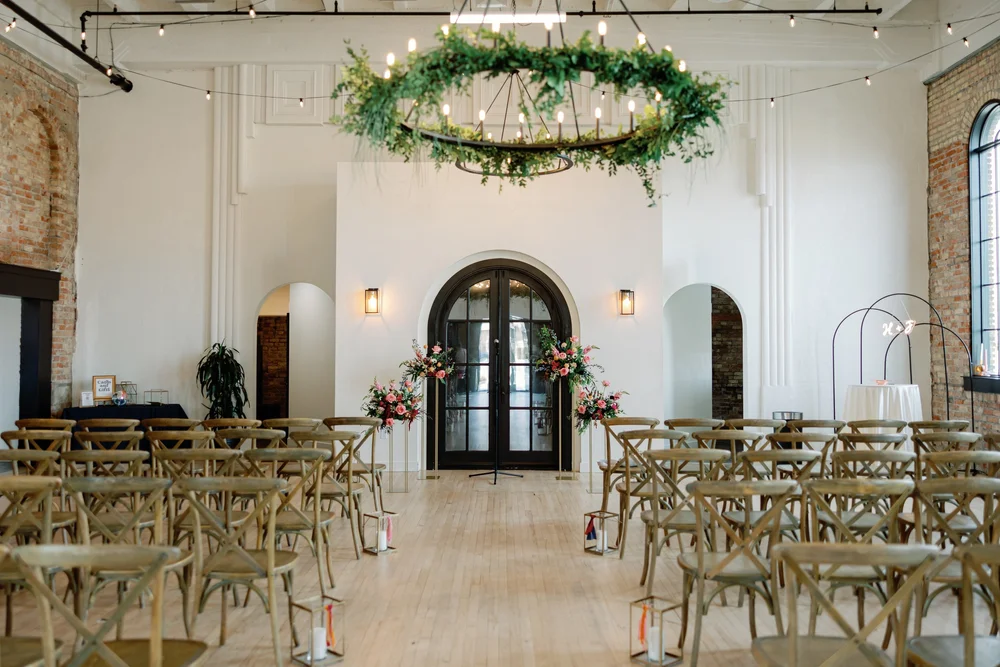
Starting at $1,250
View details →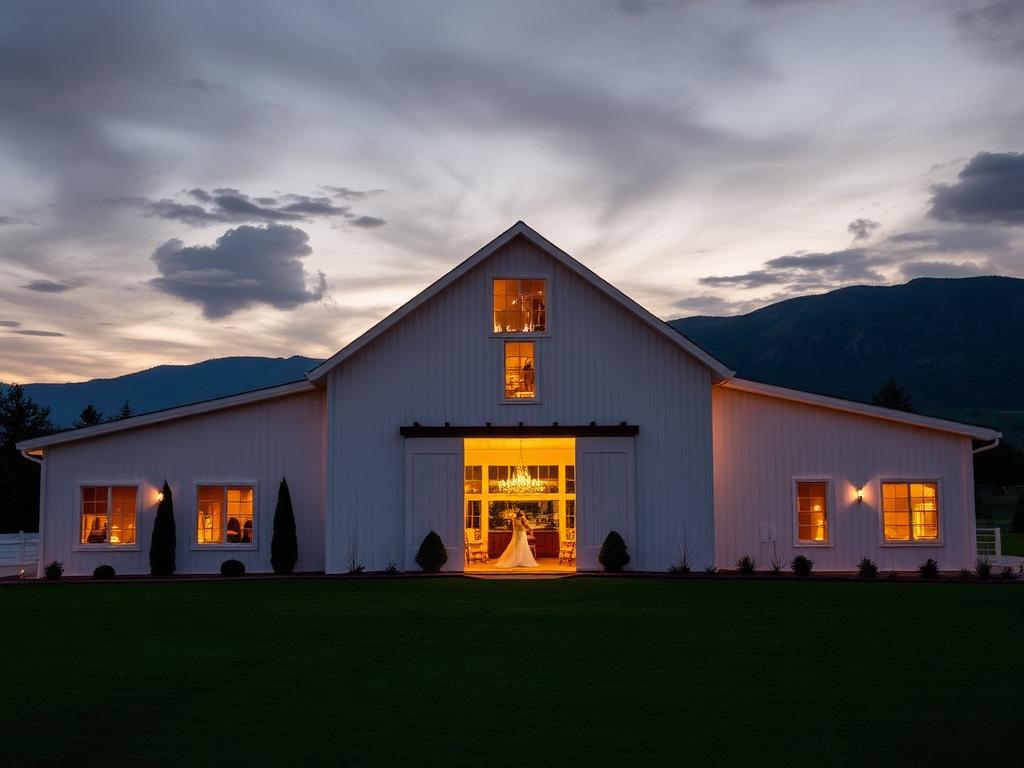
Pricing not published
View details →
Starting at $2,800
View details →
Starting at $3,500
View details →
$1,700 Sun–Wed · $1,900 Thu · $2,600 Fri–Sat
View details →
Starting at $1,350
View details →
Starting at $1,200
View details →
Pricing not published
View details →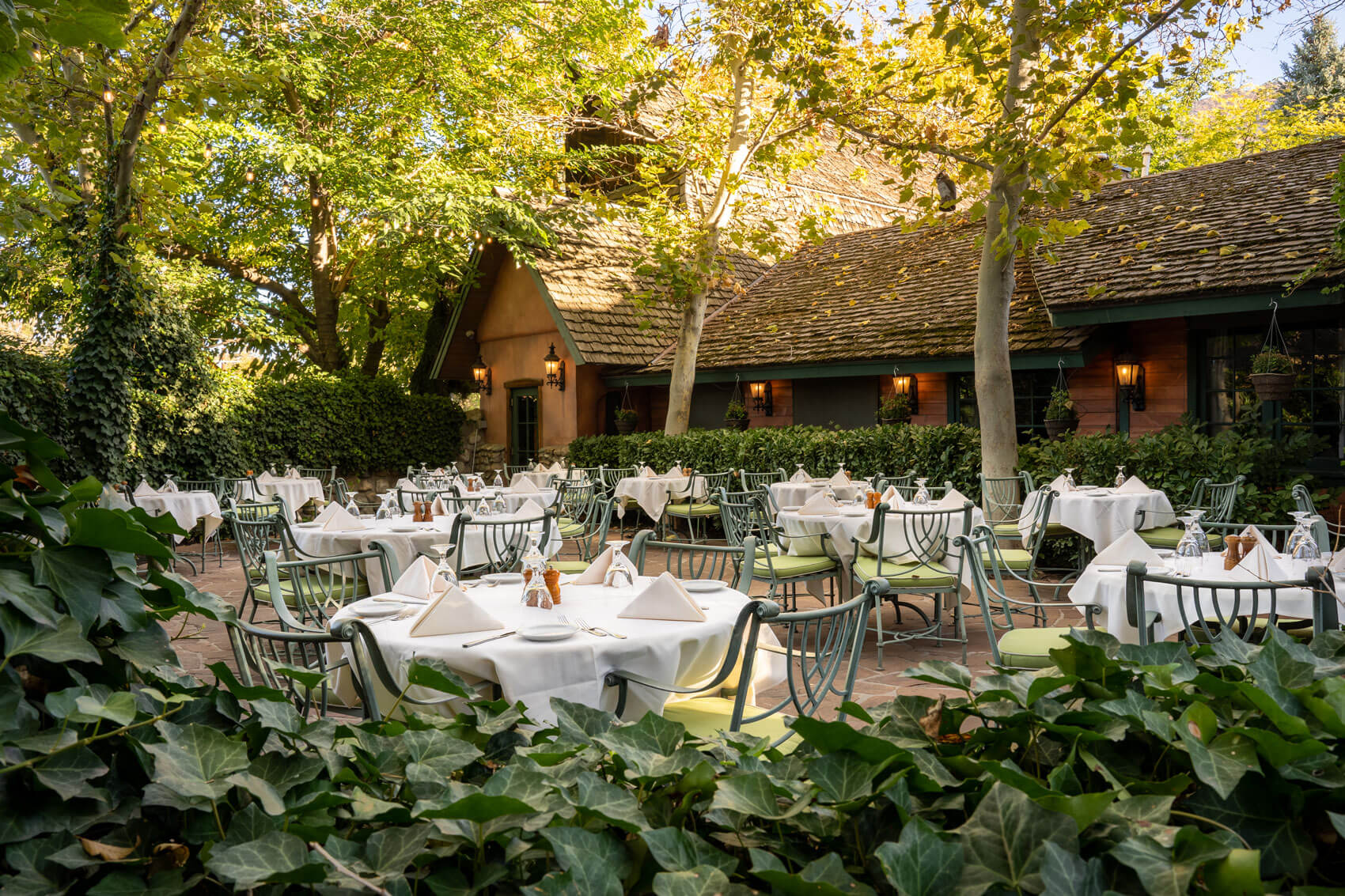
Pricing not published
View details →Pricing not published
View details →
Pricing not published
View details →Request a line-by-line estimate from every venue and major vendor so you can compare inclusions and fees accurately.
Confirm the quoted rate applies to your exact date, day of week, season, and guest count.
Check that the venue’s stated capacity fits your ceremony, dinner, and dance floor configuration—not just a standing reception.
Record deposit amounts, payment schedules, and accepted methods before you sign.
Read the contract’s cancellation and rescheduling policies and ask clarifying questions in writing.
List which tables, chairs, linens, lighting, and staffing are included and which incur additional rental fees.
A venue appears here when its reviewed structured classification includes Industrial. The classification is based on our structured data fields, not on marketing text or assumptions drawn from a venue’s name or neighborhood.
In this collection, most venues list both indoor and outdoor options. One venue lists indoor-only. Always confirm the specific contingency plan, capacities for your layout, and who manages the flip if weather changes your setup.
Industrial venues can work year-round, particularly those with indoor spaces. If you plan to use outdoor areas for a ceremony or cocktail hour, ask how seasonal conditions affect access, curfews, and the timeline for moving indoors if needed.
In this set, many venues list tables and chairs, and several list setup and cleanup among included services. Exact inclusions vary, so request an itemized list that covers staffing, access hours, AV, lighting, and any vendor or catering requirements.
Lock down the rental duration, fees beyond the base price, cancellation and rescheduling terms, capacity for your intended layout, power and sound parameters, indoor weather backup, vendor policies, and the full list of included rentals and staffing.