
La Caille
Pricing Unverified
Sandy, Utah
600 guests Indoor/OutdoorLuxury European
Starting at $1,000
View details →Discover vineyard wedding venues in utah. Compare pricing, capacity, and photos of venues that fit.
Booking a vineyard-style venue in Utah involves more than picking a pretty backdrop—you’re balancing date flexibility, guest flow across indoor and outdoor areas, and what’s actually included in the base price. This collection focuses on venues formally classified with Vineyard in their reviewed structured data, so you can compare options without guessing from marketing language. Pricing, capacity, and amenities shown come from the latest information stored in our directory. Details can change by date, season, guest count, and package. Confirm current specifics directly with each venue.
Across Utah, vineyard-classified venues operate as hybrid properties with both indoor and outdoor spaces. The directory currently includes 5 venues that meet this qualification, with capacities ranging from 130 to 600 and an indoor/outdoor count of 5. Starting prices in this set span from 1000 to 9500, and 4 venues fall under the “Under $5,000” bucket while 1 is listed between $5,000–$9,999. These figures give you a sense of spread, but they’re starting points—not total wedding costs—and none of the listed prices are marked as verified.
Guest count is often the first filter. One venue in this set accommodates 101–200 guests, two list 201–300, and two handle over 300. If you expect a larger reception, you’ll have choices; if you’re hosting a smaller group, you may find more flexibility on space configuration and timing. Geography may also matter for vendor travel and guest lodging: cities represented include Cedar Hills, Lehi, Lindon, Salt Lake City, and Sandy.
Amenities differ widely. Some venues in this set include in-house catering, rentals, and coordination; others permit outside catering but include fewer services. Confirm the mix that fits your plan and budget before you get attached to a date. For context, La Caille lists a starting price of 1000 and a guest capacity of 600, while Talamore Vineyards lists a starting price of 9500 and capacity of 300. Those bookends illustrate how service models and inclusions can shape price and scale.
Because vineyard venues blend outdoor areas with indoor rooms or covered settings, your plan should account for weather pivots, power and lighting for evening events, and walking surfaces for guests in formal attire. The listings here provide the latest available information on capacities, indoor/outdoor availability, and starting prices so you can shortlist venues that match your event size and service needs, then request itemized proposals to see true apples-to-apples costs.
• Seasonal availability and vineyard calendar: Vineyard-classified venues often anchor their schedules around peak outdoor months. Ask which dates are considered high season and how that affects starting prices, minimums, or required packages. If your event is shoulder-season or winter, confirm what spaces are used and whether any areas close. • Weather backup and covered options: Every outdoor plan needs a defined indoor or covered fallback with the same guest capacity as your invitation list. Verify which rooms or tents are included, when a weather call is made, and any added fees for heaters, tenting, or room flips. • Power, sound, and lighting: Outdoor ceremonies and receptions require reliable power for amplification, musicians, and lighting. Ask for a simple site power diagram: available circuits, outlet locations, and permitted sound levels. Confirm house A/V policies, quiet hours, and who manages lighting changes after sunset. • Walking surfaces and accessibility: Vineyards and garden paths may include gravel, grass, or uneven surfaces. Identify ADA-accessible routes from parking to ceremony and reception spaces, plus access to restrooms. If transitions involve stairs or slopes, discuss solutions for guests with mobility needs and for vendor load-in. • Included rentals and setup scope: Clarify what the starting price includes—tables, chairs, linens, ceremony seating, arches, staging, dance floor, and in-house décor—versus what is an add-on. Confirm who handles setup and breakdown, when vendor access begins, and whether staff will reset spaces for a ceremony-to-reception flip. • Catering and beverage structure: Some vineyard venues provide in-house catering and bar service; others allow outside catering. Ask about kitchen access, menu minimums, tasting policies, corkage, and service charges. If alcohol is provided, confirm licensing, staffing ratios, and last-call rules. • Noise, neighbors, and curfews: Outdoor sound carries. Verify amplified sound cutoffs, local ordinances, and parking restrictions. If your timeline includes a late send-off, make sure it fits within venue rules. • Storage and holdover: Determine where rentals and décor can be stored pre-event and post-event, and whether next-day pickup is allowed. If not, build teardown timing into your vendor plans. • Staffing and coordination: Ask whether a venue coordinator is included, what their responsibilities cover (timeline management, vendor arrival, rehearsal), and where a separate planner may still be useful. Bringing these details into focus early will help you compare vineyard venues on real logistics—not just aesthetics—and avoid late add-ons that inflate the final bill.
• What is included in the starting rental price? Request an itemized list of spaces, hours, rentals, staffing, and A/V. • What mandatory charges are added? Clarify service charges, taxes, gratuities, security, cleaning, or required coordination fees. • Are outside vendors permitted? If yes, ask about approval processes, insurance requirements, and any surcharges or preferred-list rules. • Are setup and cleanup included? Define who sets out rentals, who flips spaces, and who handles end-of-night breakdown and trash removal. • What is the rental duration? Confirm start and end times, access windows for vendors, early drop-offs, and overtime rates. • How much is the deposit and when is final payment due? Note installment schedules and penalties for late payment. • What are the cancellation and rescheduling terms? Get the policy in writing, including force majeure language and how retainers are handled. • What is the rain plan and when is it triggered? Identify the exact backup spaces, capacity, and any associated fees. • What are the sound, décor, and open flame policies? Verify restrictions that could affect design or entertainment. • How are deliveries, storage, and next-day pickups handled? Align rental vendor timelines with the venue’s rules before you sign. • What insurance is required? Confirm coverage amounts for you and your vendors and when certificates are due. These questions produce proposals you can compare line by line, preventing surprises when you reconcile quotes across different venues and service models.
Guest logistics: Map how guests will move from arrival to ceremony to cocktail hour to reception, especially if transitions cross grass, gravel, or multiple buildings. Provide clear signage and consider shuttle service if parking is limited or spread out. Ensure accessible routes are communicated to anyone who needs them. Weather backup: Build two complete timelines—outdoor and indoor/covered—with confirmed room assignments and staffing for a quick pivot. If you need supplemental lighting, heaters, or sidewalls, secure those with your rental vendor well in advance and confirm setup windows with the venue. Vendor coordination: Share a consolidated site map and contact sheet with all vendors. Note power locations, loading zones, quiet hours, and any restrictions on stakes, open flame, or confetti. If the venue includes a coordinator, define handoffs between them and your planner or lead vendor. Timing of setup and cleanup: Vineyard layouts can require longer setup for staging, lighting, and A/V. Confirm earliest access for rentals, when sound checks can occur, and who manages room flips. On teardown, list who is responsible for rentals, trash, and catering equipment, and verify the exact lockout time to avoid overtime fees. Food and beverage operations: If the venue provides in-house catering or bar service, align final guest counts, menu selections, and staffing with the venue’s deadlines. If outside catering is allowed, confirm kitchen access, load-in paths, water and power needs, and cleanup standards. Comfort and flow: Provide shade or hydration during hot months and blankets or heaters for cool evenings, as allowed by venue policy. Place restrooms and water stations along natural traffic paths to reduce congestion. Communication: Send a pre-event note to guests with footwear guidance and transportation details. Share the rain-call timing so wedding party and vendors know when a switch could occur. Clear communication reduces last-minute decisions and keeps the timeline on track.
This list updates automatically whenever new venues match the criteria.
Starting at $1,000
View details →
Starting at $9,500
View details →
Starting at $2,200
View details →
Starting at $3,100
View details →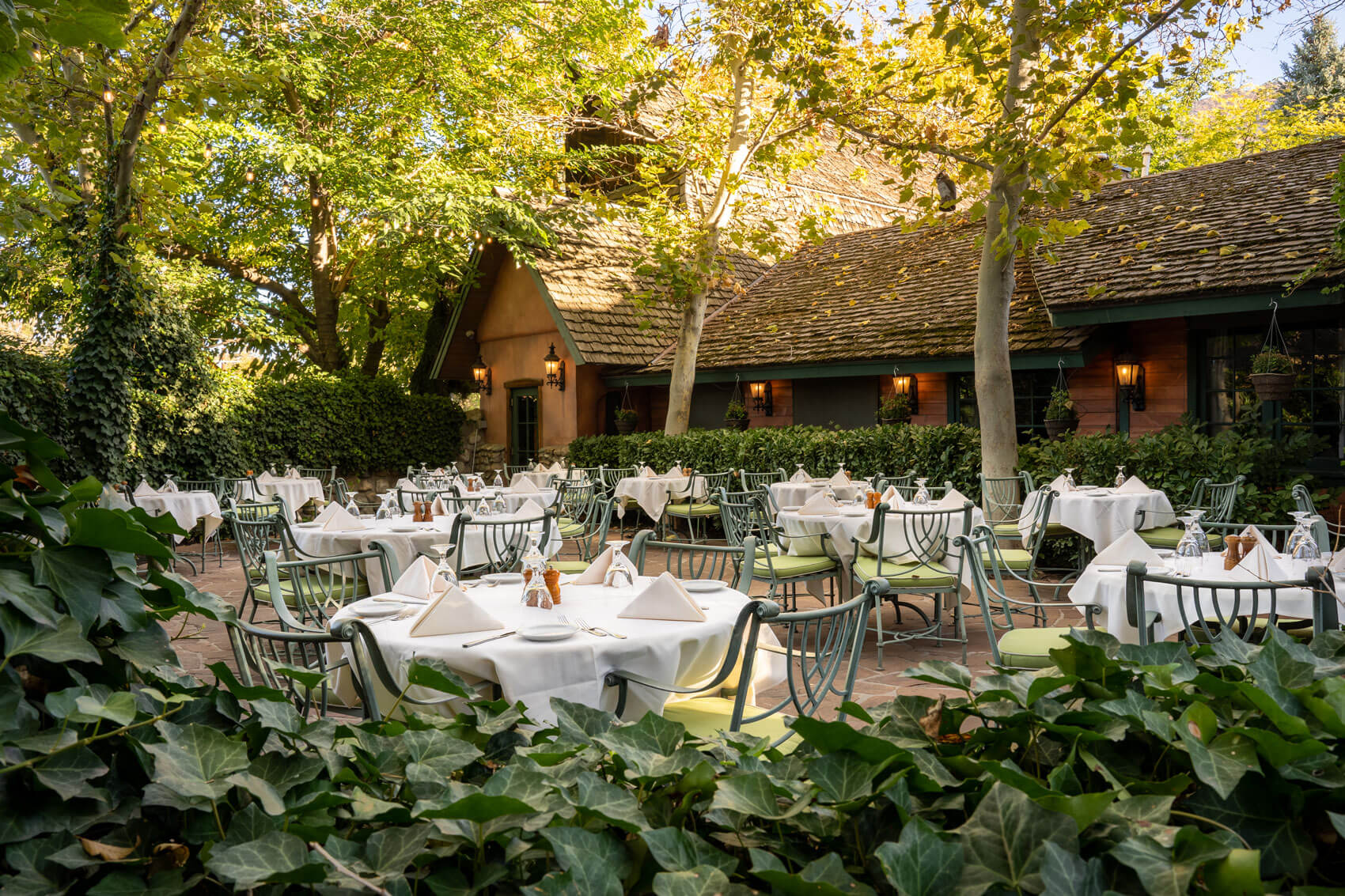
Starting at $1,000
View details →Ask each venue for a line-by-line estimate separating space rental, staffing, rentals, catering, bar, taxes, and service charges.
Confirm the rate applies to your exact date, season, hours, and guest count; note any minimums tied to day-of-week or season.
Align guest count with seated, buffet, or cocktail configurations and confirm fire-code limits for each space.
Record deposit amounts, payment schedule, and when final guest counts and floor plans are due.
Obtain the full cancellation and rescheduling policy in writing, including any nonrefundable portions.
List included tables, chairs, linens, and A/V, then price any add-ons to compare total costs across venues.
A venue qualifies when its reviewed structured classification includes Vineyard. The classification is based on structured data, not marketing descriptions or name associations.
In this set, all matched venues are listed as Indoor/Outdoor. That indicates both indoor and outdoor areas are available, but confirm which specific rooms serve as a rain plan and whether any fees apply for a weather pivot.
Seasonality varies by venue. Ask how peak months affect pricing and availability, and confirm which outdoor areas are open during shoulder or winter dates along with the corresponding indoor backup spaces.
Inclusions vary. Some vineyard-classified venues list in-house catering, coordination, and rentals; others allow outside catering with fewer bundled services. Request an itemized list of what is included in the starting price and what requires an add-on.
Confirm the itemized inclusions, rental duration, total estimated cost with taxes and service charges, vendor policies, rain plan, capacity for your layout, deposit and payment schedule, and the cancellation and rescheduling terms.