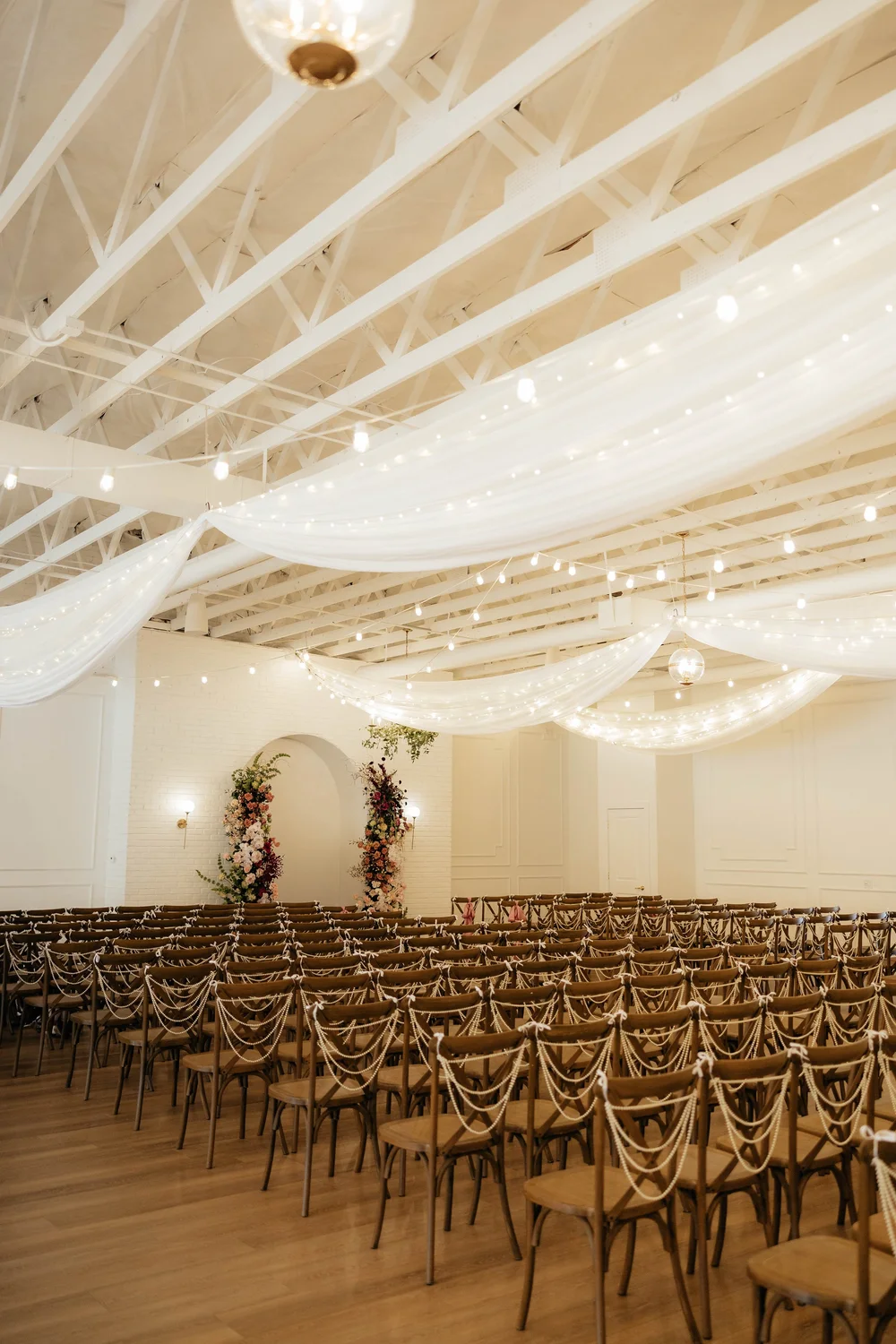
AMAVI Event Venue
Pricing Unverified
Spanish Fork, Utah
225 guests Indoor/OutdoorWedding and reception venue
Starting at $1,250
View details →Utah wedding venues with starting prices under $5,000 — great picks for couples working with a smaller budget.
If you’re trying to keep your venue rental under a firm ceiling, the big question isn’t just “what’s cheap,” it’s “what does the starting price actually buy me, and will my date cost more?” Utah couples will find a wide range of spaces that meet a tighter budget, from simple event halls to mountain properties, but the value comes down to what’s included and how pricing shifts by day, season, and guest count.
Starting prices shown reflect the lowest confirmed price stored in our directory. Actual cost depends on date, guest count, and package. Confirm current pricing directly with each venue.
This collection focuses on venues whose stored starting venue price is at or below the threshold used here. The directory currently includes 84 venues that meet this qualification, giving budget‑minded couples meaningful variety across settings and sizes. The lowest stored starting price in this set is $300 at Brighton Resort, while the highest starting price that still qualifies for this page is $5,000, matching Blue Sky Ranch at the top of the range. The average stored starting price is $2,398, with a median of $2,073. Most of these venues offer both indoor and outdoor options, with 79 listing indoor and outdoor spaces and 5 listing indoor-only. Capacity skews flexible: venues in this set list minimum capacities from 70 up to a maximum capacity of 2,000 at The Grand America, with a median capacity of 250 and an average of 317. Cities represented span 44 locations across the state, and Mountain Resort is the most common venue type.
The key to comparing affordable options is thinking beyond the headline number. Two venues with similar starting prices can differ dramatically once you add chairs and tables, extend hours, or choose a Saturday in peak season. Use the buyer’s guide below to decode starting prices, line up fair comparisons, and spot add-ons that can push a “budget” quote higher than expected.
A starting venue price is the lowest stored rental figure a venue offers under specific conditions. It signals entry-level access, not the total cost of a wedding. To evaluate value, look closely at four variables that commonly move the price: day of the week, time of year, what the base rental covers, and which extras are billed as add-ons. Weekday vs. weekend pricing: Many venues publish a lower rate for Mondays through Thursdays, with Fridays sometimes in the middle and Saturdays at the top. If a venue’s stored starting price reflects a weekday, expect a higher quote for a prime Saturday. When comparing two venues that look equally affordable, confirm the day tied to each starting rate and re-price both for your actual date. Seasonal pricing: Utah’s event calendar swings with weather and tourism. Mountain and garden properties often have peak summer and fall dates, while ski areas see premium pricing in winter. A venue’s stored starting price might reflect a shoulder season or off-peak date. Ask each venue to price the same month and day type you plan to book to see a true apples-to-apples comparison. Base rental vs. full package: Some starting prices are for space-only access (four walls and your rental window). Others bundle core items such as tables, chairs, or on-site coordination. Read the inclusions carefully. If one venue’s base rate includes furniture, setup, and cleanup while another charges those as extras, the latter can overtake the former once your needs are added. Add-on costs: Line items that commonly sit outside the starting price include extended hours, ceremony site fees (if separate from reception rental), furniture and linen upgrades, audio/visual support, service staff, lighting, security, extra cleaning, and outdoor heaters or tents. Food and beverage, taxes, and any service charges from in-house catering are also outside a space-only starting rate. If a venue requires preferred vendors or in-house services, factor those price floors into your total. A practical process: 1) confirm the exact date and time block tied to the starting price; 2) request a written inclusions list; 3) ask for a line-item estimate matching your date, guest count, and hours; and 4) add any mandatory fees. With those details, the “affordable” label becomes a concrete number you can compare across venues.
Use these due-diligence questions to turn a headline rate into a reliable estimate and avoid surprises later. What is included in the starting rental price? Ask for a written list. Clarify space access (ceremony and/or reception), furniture counts, basic AV, dressing rooms, setup, cleanup, and staffing. What mandatory charges are added? Identify required service charges, security, cleaning, insurance, or site fees. If the venue has in-house catering, confirm taxes, service/gratuity percentages, and any bar minimums. Are outside vendors permitted? If there’s a required or preferred list, ask whether exceptions are allowed and what fees apply. Confirm policies for outside catering, bar service, coordination, and rentals. Are setup and cleanup included? If not, determine who handles them and how much time is allocated. Ask whether early drop-offs or next-day pickups are allowed and what they cost. What is the rental duration? Nail down start/end times, load-in/load-out windows, quiet hours, and charges for overtime or early access. Confirm ceremony flip timing if your event uses the same space. How much is the deposit and when is final payment due? Get the booking deposit, interim payment schedule, and final balance due date in writing. Ask about payment methods and any processing fees. What are the cancellation and rescheduling terms? Request the policy in full, including deadlines for partial refunds, nonrefundable portions, force majeure handling, and options to transfer dates. Additional clarifiers: • Are there guest count minimums tied to price? • Are rentals (tables, chairs, linens) included or billed per item? • What are parking or shuttle requirements? • Are there noise, candle, sparkler, or décor restrictions? • What insurance is required and who provides it? Document every answer in a dated proposal so later revisions are easy to track and compare.
Budget-friendly venue shopping works best when logistics are planned alongside costs. These practical points help keep the day smooth and the estimate accurate. Guest logistics: Confirm parking capacity, fee or validation policies, and accessible routes from lot to entrance. If rideshares are limited, ask about shuttle staging and vendor loading zones. For larger capacities, assign a point person to direct arrivals and ensure headcounts align with fire code layouts. Weather backup: For outdoor or partially outdoor spaces, secure a defined Plan B, including floor plan, setup timing, and who activates the switch. If tents or heaters are allowed but not included, hold a soft-reservation with a rental company and track cut-off dates and delivery windows. Verify power availability, lighting, and ground conditions for backup areas. Vendor coordination: If the venue requires in-house or preferred vendors, loop them in early to price the whole scope (catering minimums, service charges, bar packages). For outside vendors, confirm credentialing, insurance requirements, and access rules (elevators, docks, after-hours entry). Share the venue’s diagram and timeline so load-in/out fits the rental window. Timing of setup and cleanup: Build a timeline that fits the contracted hours, not the other way around. Allocate buffers for ceremony flips, photo sessions, room resets, and vendor breakdown. If setup needs exceed the base rental, compare the cost of extra hours at the venue with the cost of hiring additional staff to compress the schedule. Power, sound, and lighting: Ask for electrical specs and outlet locations before booking band or lighting packages. Clarify sound limits and curfews to avoid last-minute equipment changes or fines. Signage and flow: Affordable venues can span minimalist spaces to multi-room properties. Request a scaled diagram to plan guest flow, bar placement, and signage so lines don’t stack up at choke points. This also reduces the risk of renting unneeded extra space. Contingencies: Keep a small reserve in your budget for unplanned adds like extra staffing, weather gear, ride-share surges, or extended hours. Lock proposal expiration dates on paper so quotes don’t drift before you’re ready to sign.
This list updates automatically whenever new venues match the criteria.
Starting at $1,250
View details →
Starting at $2,000
View details →Starting at $5,000
View details →
Starting at $2,045
View details →
Starting at $1,500
View details →
Starting at $2,500
View details →
Starting at $1,800
View details →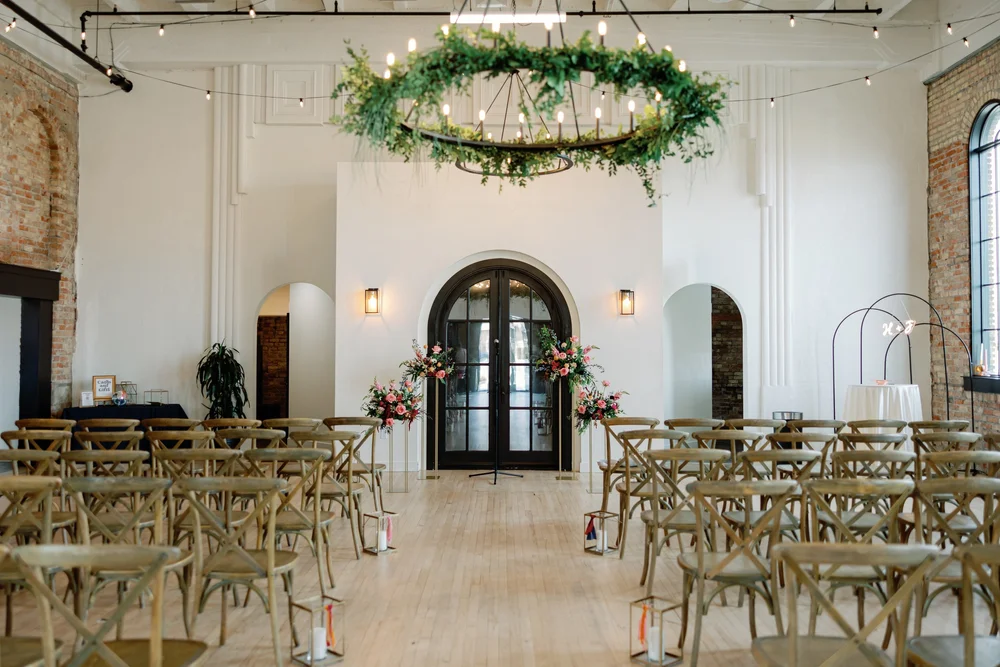
Starting at $1,250
View details →
Starting at $1,600
View details →
Starting at $5,000
View details →
Starting at $695
View details →
Starting at $5,000
View details →
Starting at $2,800
View details →
Starting at $3,000
View details →
Starting at $3,500
View details →
Starting at $1,000
View details →
Starting at $1,600
View details →
Starting at $2,300
View details →
Starting at $4,500
View details →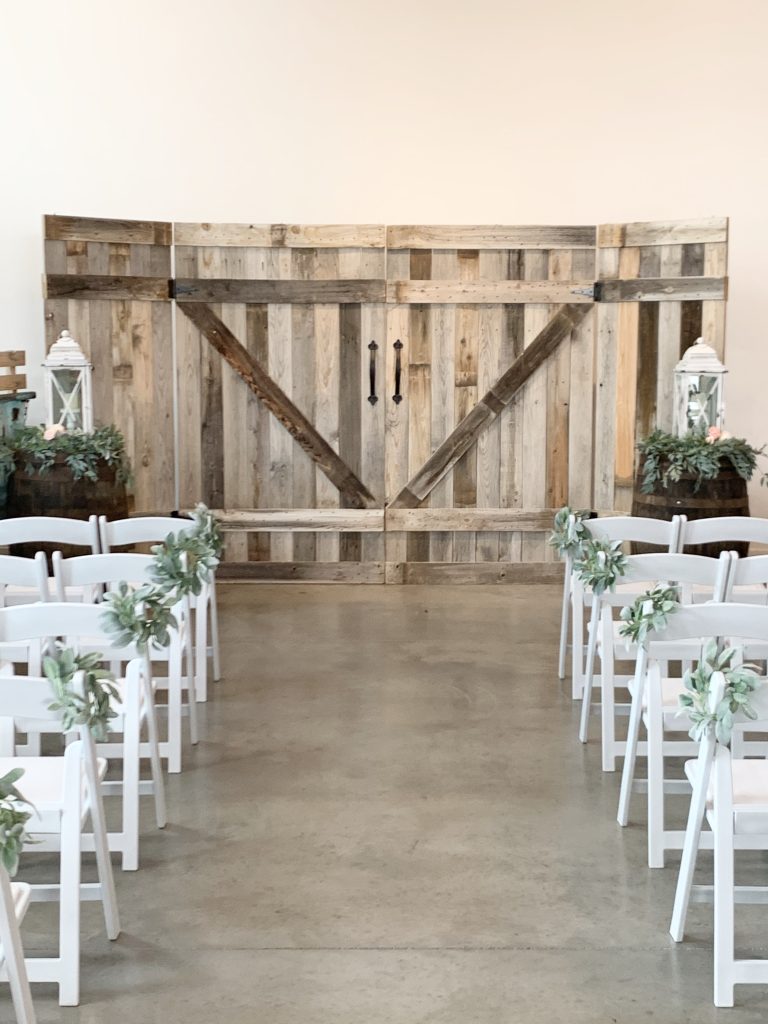
Starting at $1,400
View details →
Starting at $2,500
View details →
Starting at $1,500
View details →
Starting at $3,000
View details →
Starting at $5,000
View details →
Starting at $4,500
View details →
Starting at $3,599
View details →
Starting at $1,000
View details →
Starting at $3,200
View details →
Starting at $1,500
View details →
Starting at $5,000
View details →
Starting at $1,000
View details →
Starting at $600
View details →
Starting at $1,000
View details →
Starting at $700
View details →
Starting at $4,200
View details →
Starting at $4,500
View details →
Starting at $3,000
View details →
Starting at $3,000
View details →
Starting at $3,200
View details →
Starting at $4,000
View details →
Starting at $1,250
View details →
Starting at $2,100
View details →
Starting at $1,400
View details →
Starting at $1,250
View details →
Starting at $2,600
View details →
Starting at $2,000
View details →
Starting at $2,000
View details →
Starting at $1,000
View details →
Starting at $2,995
View details →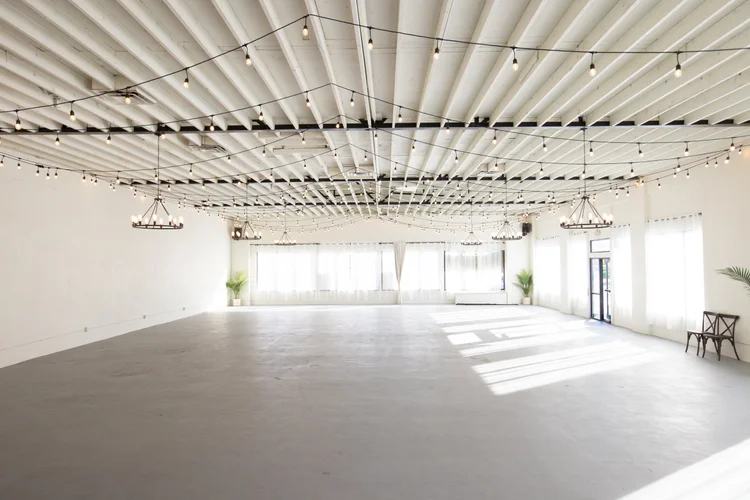
Starting at $2,500
View details →
Starting at $5,000
View details →
Starting at $1,800
View details →
Starting at $2,400
View details →
Starting at $1,350
View details →
Starting at $1,500
View details →
Starting at $2,200
View details →
Starting at $1,200
View details →
Starting at $3,500
View details →
Starting at $3,995
View details →
Starting at $2,800
View details →
Starting at $1,500
View details →
Starting at $3,100
View details →
Starting at $2,500
View details →
Starting at $900
View details →
Starting at $1,100
View details →
Starting at $2,000
View details →
Starting at $1,800
View details →
Starting at $3,000
View details →
Starting at $400
View details →
Starting at $300
View details →
Starting at $3,000
View details →
Starting at $4,700
View details →
Starting at $1,000
View details →Starting at $2,000
View details →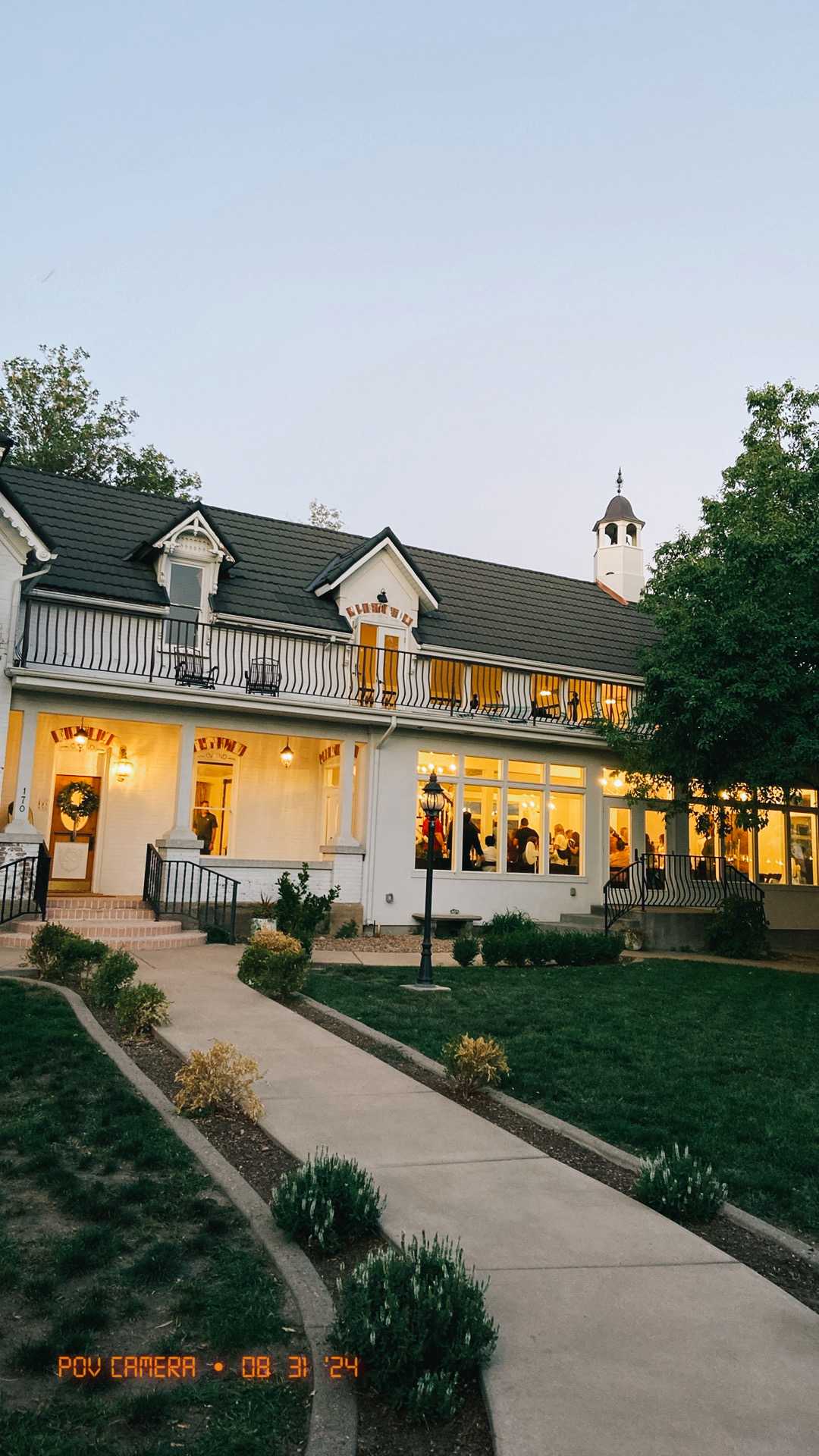
Starting at $1,500
View details →
Starting at $500
View details →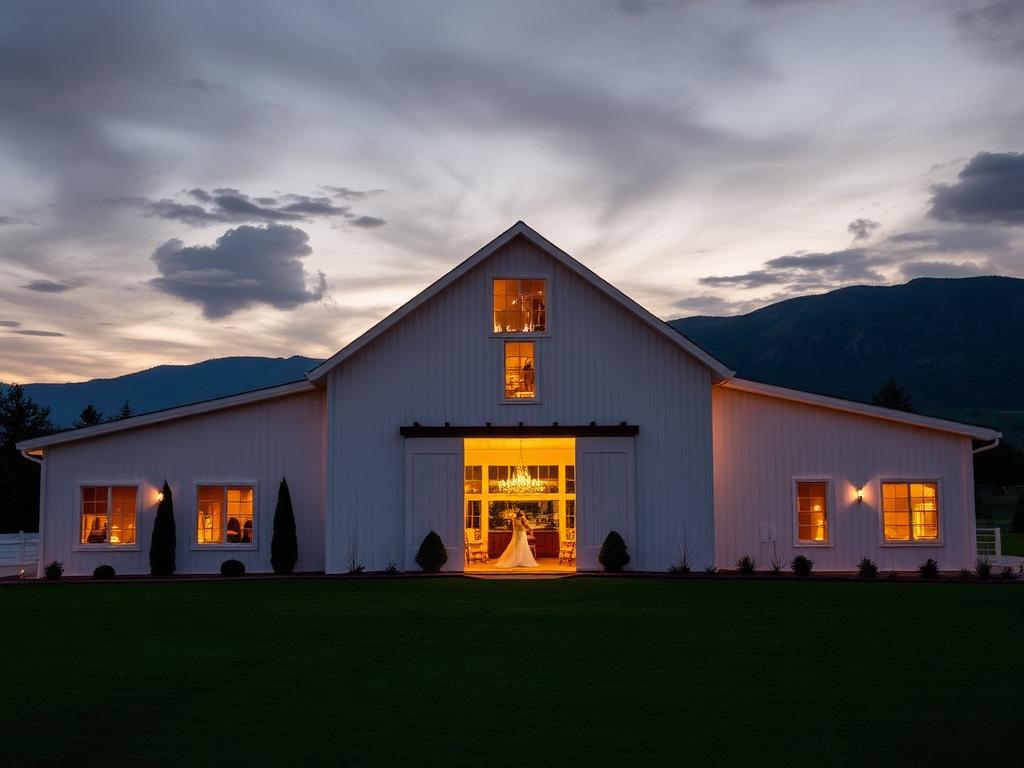
Starting at $2,900
View details →Starting at $2,800
View details →
Starting at $2,500
View details →
Starting at $3,800
View details →
Starting at $2,000
View details →
Starting at $1,000
View details →
Starting at $1,350
View details →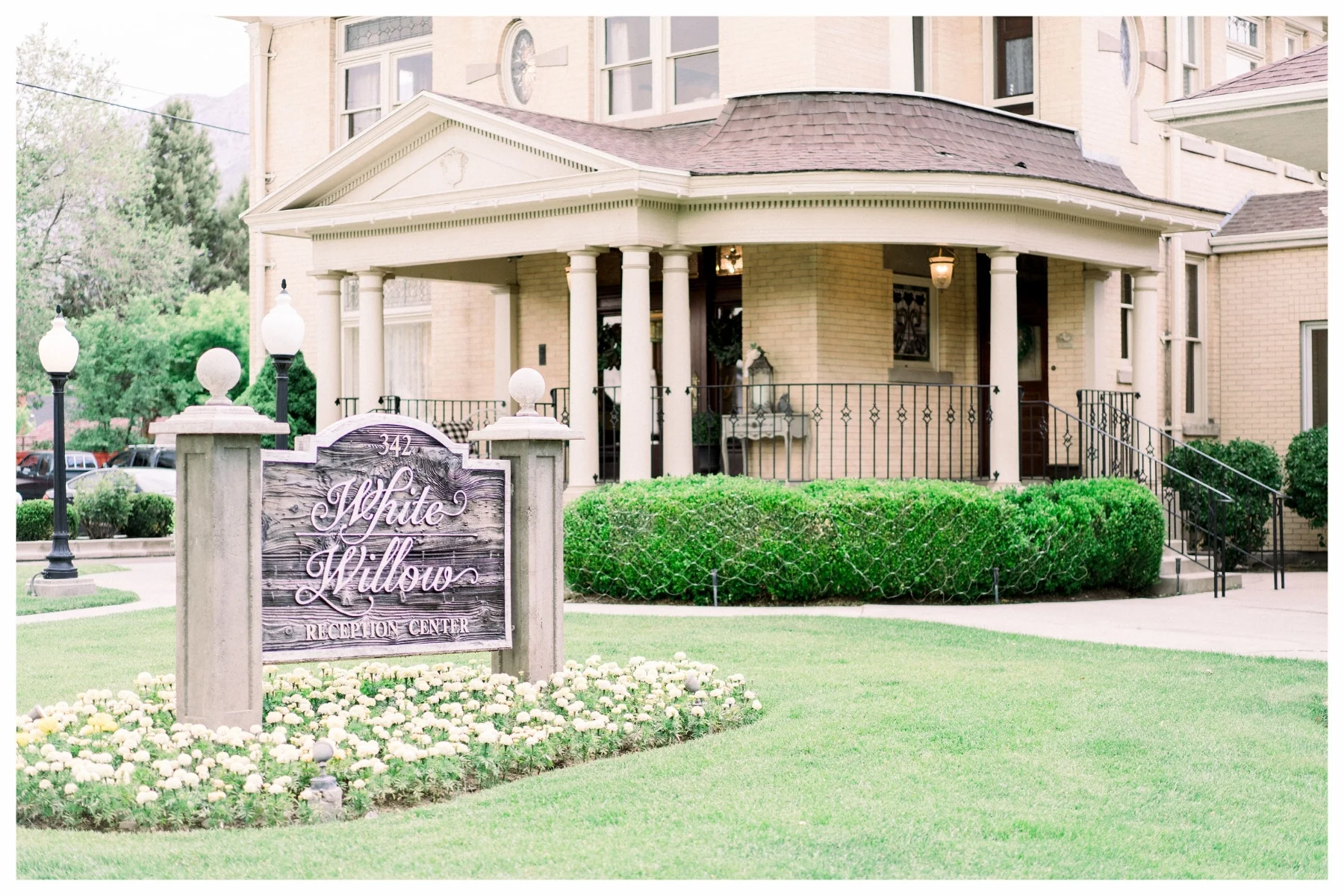
Starting at $1,000
View details →
Starting at $1,199
View details →
Starting at $1,200
View details →Ask each venue for a line-item estimate that matches your exact date, guest count, and hours. It should list inclusions, mandatory fees, taxes, and service charges.
Confirm that the quoted rate applies to your chosen day and season. Re-price if you shift to a Friday, Saturday, or peak month.
Get the deposit amount, payment schedule, and accepted methods in writing. Note due dates on your calendar to avoid late fees.
Request the full policy, including deadlines for partial refunds, rescheduling options, and any transfer fees.
List what the venue supplies (tables, chairs, linens) and what you must source. Price any add-ons before you compare totals.
No. A starting venue price is the lowest stored rental figure for space access under certain conditions. Food and beverage, taxes, service charges, and many add-ons are separate. Treat the starting price as a baseline for comparing venues, not a total wedding budget.
It varies. Some venues include space access plus basics like tables, chairs, and setup/cleanup. Others are space-only. Always ask for a written inclusions list tied to your date and hours.
Yes. Some venues tie rates or minimums to guest count or room selection. Larger groups may require more furniture, staff, or a bigger space, increasing the total even if the starting price is unchanged.
Often. Many venues offer lower rates for Monday–Thursday and higher pricing on Saturdays. Verify the day tied to the published starting price and request a quote for your actual day.
Match variables first: same date (or same day-type/season), same guest count, same hours, and the same inclusions. Then compare line items and mandatory fees side by side.
The directory lists the latest available stored starting prices for each venue in this set. However, rates change with date, season, and package. Always confirm current pricing and terms directly with the venue before booking.
Utah venues offering outdoor ceremony space — from garden ceremonies to mountain-view lawns.
Wedding venues in Utah's mountain communities — Park City, Sundance, Heber, and beyond.
Utah wedding venues featuring gardens, greenhouses, and botanical settings.