
Black Desert Resort
Pricing Unverified
Ivins, Utah
250 guests Indoor/OutdoorLuxury Resort
Starting at $2,000
View details →Utah wedding venues that bundle catering, coordination, and services into one package.
Booking an all-inclusive venue can simplify planning by bundling core services—catering, staffing, and rentals—under one contract. The tradeoff is that “all-inclusive” isn’t a standardized package: inclusions, vendor rules, and fees vary widely, so smart comparison matters as much as the aesthetics. A quick reality check up front: 'All-inclusive' means different things at different venues. Confirm exactly which services, rentals, staffing, and vendors are included in each venue's package before booking.
Across Utah, options span resorts, lodges, and dedicated event properties with both indoor and outdoor spaces. This collection currently includes 17 venues that explicitly offer an all-inclusive option, with confirmed starting prices listed for all of them. Entry points range from confirmed starting prices as low as $1,000 to as high as $50,000, with a median starting price of $3,599 and an average starting price of $10,482. Capacities vary too: venues in this set host from 100 up to 2,000 guests, and the most common capacity band sits between 201 and 300. The lineup skews toward places that support both indoor and outdoor flow, which helps with weather resilience and layout flexibility.
If you’re prioritizing budget control, note how prices cluster: nine venues start under $5,000, four fall between $5,000 and $9,999, and four start at $20,000 and above. On size, seven venues handle over 300 guests, while others focus on mid-size guest counts. City coverage is broad—15 Utah locations are represented—so you can weigh mountain access, desert scenery, and travel logistics alongside package details.
Here’s how to read all-inclusive claims and pressure-test quotes so you can compare apples to apples before you sign.
All-inclusive can mean anything from a streamlined bundle of must-haves to a premium, multi-vendor package. Treat every inclusion as a line item you verify in writing. Catering and bar: Confirm whether food and beverage are required through the venue, and whether menus are per-person packages, minimum spends, or hosted bars with tiers. Ask which meal formats (plated, buffet, stations) are available at the starting price, how tastings work, and how dietary needs are handled. Clarify bar structure (hosted, cash, or consumption), brand tiers, and last-call policies. Identify corkage fees, bartender staffing ratios, and any bar setup charges. Coordination staffing: Some all-inclusive venues include an in-house coordinator or day-of lead, while others offer planning as an add-on. Ask exactly which tasks are covered—timeline creation, vendor confirmations, rehearsal direction, ceremony processional management, and reception cueing—and what hours the staff is on site. If a “wedding coordinator included” box is checked, confirm deliverables, staffing levels, and overtime rules. Rentals and setup: Tables, chairs, linens, dinnerware, dance floors, staging, and AV can be included—or only partially covered. Get a full rental inventory with quantities, styles, and condition standards. Verify who handles setup, room flips, and breakdown, along with load-in windows for outside vendors. If the venue includes setup and cleanup, ask what that specifically excludes (e.g., décor placement, packing personal items, or bussing). Florals and décor: Some packages bundle house centerpieces or basic floral allowances; others partner with preferred florists. Ask if design labor, candles, and installation/removal are included and if there are open-flame or hanging décor restrictions. Clarify storage options for décor before and after the event. Photography or DJ (if bundled): A few all-inclusive models include creative vendors. If so, request portfolios, gear lists, coverage hours, edit counts, and who selects the assigned professional. Ask about substitution rules and what happens if you bring your own vendor. Gratuities and service charges: Distinguish between service charges (often a percentage added to food, beverage, or the whole invoice) and staff gratuities. Ask which line items incur service charges, the exact percentages, and whether taxes apply to those charges. If gratuities are included, confirm which teams (banquets, bar, coordination) are covered and whether you can adjust amounts. The safest approach: request an itemized proposal that lists each inclusion, the quantity or hour allotment, and any overage pricing. If a feature is important to you—like ceremony chairs, a rain plan space, or late-night teardown—make sure it appears on the proposal, not just in an email.
Use these questions to align the package with your priorities and prevent surprise add-ons. - What is included in the starting rental price? Ask for a written list tied to that price: spaces, hours, coordination scope, rentals with quantities and styles, and any included F&B minimums. - What mandatory charges are added? Identify service charges, gratuities, taxes, security, valet, power/AV fees, and kitchen or ceremony site fees. Get exact percentages or flat amounts. - Are outside vendors permitted? Clarify rules for catering, bar, planners, and creative vendors. Ask about proof-of-insurance, licensing, and any surcharges for non-preferred vendors. - Are setup and cleanup included? Define what staff sets, what they do not handle, when personal items must be removed, and what fees apply for late or next-day pickups. - What is the rental duration? Confirm access windows for vendors, ceremony start and end times, noise curfews, and overtime rates. If there’s a room flip, ask who executes it and how long it takes. - How much is the deposit and when is final payment due? Note the schedule, accepted payment methods, and whether payments are refundable at any stage. - What are the cancellation and rescheduling terms? Ask for the contract language on deadlines, fees, force majeure, and transferability if you change dates. Two final checks: request a sample Banquet Event Order (BEO) so you see how details lock in, and ask the venue to re-quote your package for your exact guest count and timeline so you can compare proposals evenly.
Guest logistics: Consider travel time, lodging proximity, and on-site wayfinding. If shuttle service or valet is required, confirm who manages it and which fees apply. Provide guests with clear arrival instructions, especially for mountain or desert routes with limited cell coverage. Weather backup: Even with venues that offer both indoor and outdoor spaces, you need a defined rain, wind, heat, or snow plan. Reserve the backup room in writing, specify the decision deadline on weather calls, and confirm who executes the switch and how the layout changes. Vendor coordination: If the venue bundles coordination, clarify how they interact with your outside vendors and when they will share floor plans, load-in details, and AV specs. If outside vendors are allowed, align their setup windows with the venue’s access times and confirm where they stage gear. For venues that provide in-house catering and bar, ask how they cue service with the DJ/MC and photographer to avoid missed moments. Timing of setup and cleanup: Build a realistic production schedule that includes vendor load-in, décor placement, room flips, and strike. If teardown must finish the same night, confirm staffing levels and penalties for late exits. Identify any items that must be removed by you (cards, gifts, signage) versus the venue’s team, and assign responsibilities in advance. Budget controls: With all-inclusive models, small changes can snowball—extra hour extensions, upgraded bar tiers, rental style swaps, or added lounge furniture. Track each change order, and ask the venue to update the running total on the proposal so you always know your current spend. Accessibility and flow: Map guest movement from ceremony to cocktail hour to reception. Reserve enough time between events for resets, and verify elevator or ramp access where needed. If the venue spans multiple buildings or outdoor areas, post signage and consider attendants to guide guests.
This list updates automatically whenever new venues match the criteria.
Starting at $2,000
View details →Starting at $5,000
View details →
Starting at $1,000
View details →
Starting at $2,300
View details →
Starting at $20,000
View details →
Starting at $3,599
View details →
Starting at $50,000
View details →
Starting at $7,000
View details →Starting at $36,000
View details →
Starting at $3,000
View details →
Starting at $9,500
View details →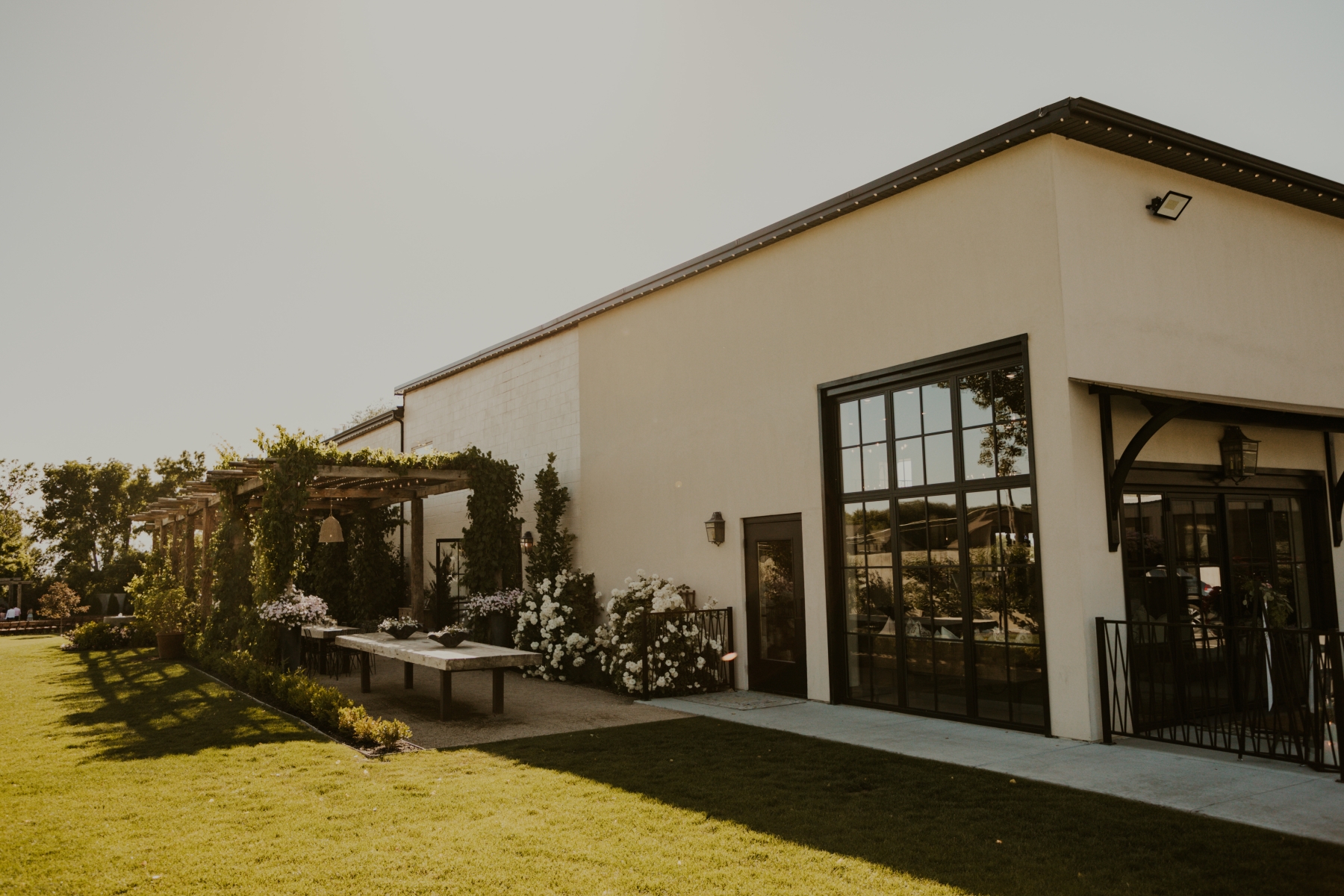
Starting at $3,500
View details →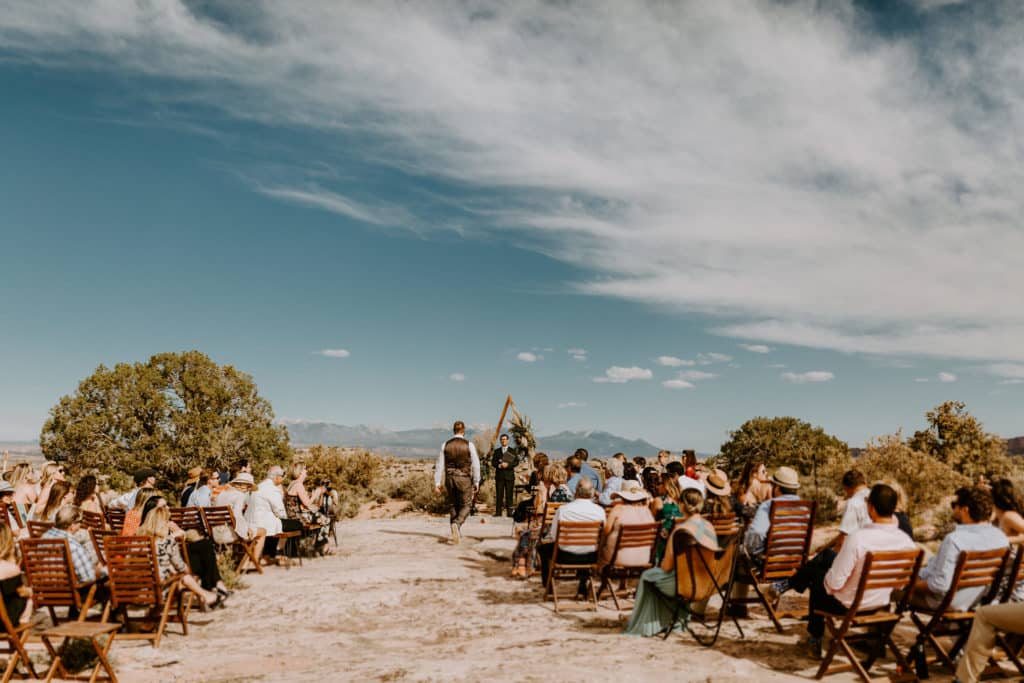
Starting at $9,000
View details →
Starting at $2,000
View details →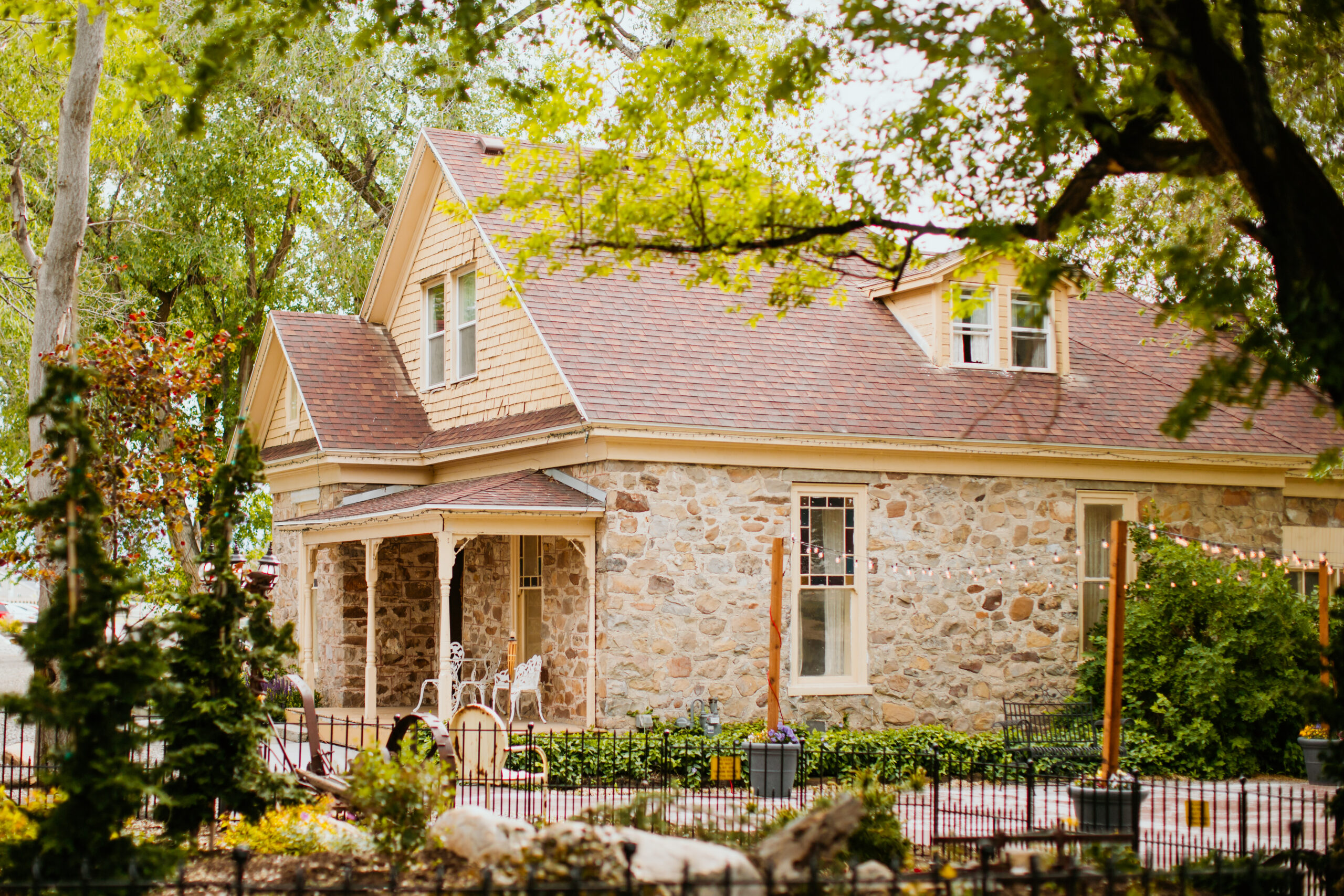
Starting at $1,800
View details →
Starting at $2,500
View details →Ask every venue for a line-by-line estimate with quantities, hours, and overage pricing so you can compare packages fairly.
Have venues re-quote for your exact season, day of week, and guest count to avoid misleading comparisons.
Record due dates and amounts; ask what becomes nonrefundable and when.
Request the contract clauses and note fees, deadlines, and any force majeure provisions.
List which tables, chairs, linens, and AV are included, their styles and quantities, and what upgrades will cost.
Packages often bundle venue access, in-house catering and bar options, coordination support, core rentals (tables, chairs, linens), and setup/cleanup. Some venues add lodging or event planner availability. Always verify the exact inclusions and any limits in the venue’s written proposal.
No. All-inclusive rarely covers every possible expense. Service charges, taxes, upgraded bar tiers, specialty rentals, décor installations, and overtime are common extras. Ask for a comprehensive list of inclusions, exclusions, and overage rates before booking.
Policies vary. Some venues require in-house catering and bar and limit outside vendors to certain categories or preferred lists; others are more flexible but may require insurance or add fees. Confirm the rules for each vendor type in writing.
Compare itemized proposals with the same guest count, timeline, and service scope. Align bar tiers, menu formats, rentals, coordination hours, and setup/cleanup responsibilities. Include mandatory fees, service charges, taxes, and gratuities to see the true total before deciding.
Ask venues to list every mandatory charge and service percentage on the proposal, note what triggers overages (time, rentals, bar tiers), and request updated estimates after each change so you always see the running total.
Utah wedding venues with starting prices under $5,000 — great picks for couples working with a smaller budget.
Utah's luxury wedding venues — resorts, mansions, and estates for a full-service, high-end celebration.
Wedding venues in Utah's mountain communities — Park City, Sundance, Heber, and beyond.