
9 Acres Event Barn
Pricing Unverified
Provo, Utah
300 guests Indoor/OutdoorBarn
Starting at $6,500
View details →Discover wedding venues under $15000 in utah. Compare pricing, capacity, and photos of venues that fit.
Keeping your venue rental under $15,000 is a clear target, but the real work is understanding what that “starting price” actually buys you and how it varies by date, space, and inclusions. Utah couples will find a wide spread of options that meet this threshold, from indoor halls to mountain resorts with both indoor and outdoor settings. Our directory currently includes 81 venues that qualify for this page based on their stored starting prices, with entries ranging from a low of $500 at Bumbleberry Inn to $10,000 at Alta Peruvian Lodge. Capacities also vary widely across the set, from venues that can host 50 guests to large properties that list capacity for much bigger gatherings. A quick look at the mix shows most venues offer both indoor and outdoor options, and the most common style in this group is Mountain Lodge.
A venue appears on this page when the lowest confirmed starting venue price stored in our directory is $15,000 or less. That figure may apply only to certain dates, spaces, rental periods, guest counts, or packages and should not be interpreted as the total cost of a wedding. Confirm current pricing and inclusions directly with each venue.
Expect significant variation in how a starting price is defined. Some listings reflect base rental only; others may require a separate food-and-beverage minimum or use package pricing that bundles staffing and rentals. Across the current set, most venues fall under $5,000 for the lowest listed start, with additional options between $5,000–$9,999 and a smaller number in the $10,000–$14,999 band. If you’re early in planning, use those tiers to decide where to focus your outreach. If you’re ready to compare specific properties, request itemized proposals on the same date, for the same guest count and hours, so you can see how mandatory fees and rentals change the bottom line.
One more practical note: listed prices are a starting point, not a promise of what your date or guest count will cost. Many venues show different figures for weekdays versus Saturdays, peak versus off-season, or smaller rooms versus a full-property rental. Confirm the exact rate and what it includes before you get attached to any line item. That approach will save you time and help you avoid surprises later.
A displayed starting venue price is a baseline, not a total wedding cost. It often represents the least expensive way to rent a space under narrow conditions. Before relying on it, pin down the context behind the number and compare it to your date, guest count, and timeline. Key variables that commonly affect the start price: - Weekday versus weekend pricing: Many venues publish a lower amount tied to Monday–Thursday or Friday/Sunday dates, with higher rates for Saturdays. If you see an attractive figure, verify which days it applies to and ask for the exact price for your preferred day of week. - Peak versus off-season dates: Properties in mountain or resort areas often price higher in peak seasons and lower during shoulder periods. Ask the venue which months are considered peak, shoulder, and off-season, and request the rate that matches your target date. - Base rental pricing: Some listings reflect space-only fees, covering the right to use the room(s) for a defined window. This usually excludes catering, bar, staffing, and equipment. Clarify what is included in the base rental: access hours, rehearsal time, indoor backup space (if any), and any built-in furnishings. - Ceremony-only rentals: A lower published figure can reflect a ceremony-only or elopement timeframe. Confirm whether the starting price covers both ceremony and reception or only one portion of the event. - Shorter rental windows: The lowest listed rate may assume a shorter block (for example, a morning or afternoon slot) rather than a full-day or late-evening rental. Ask for pricing at the rental duration you need and note any overtime rates. - Smaller venue spaces: Multi-space venues may publish the rate for a smaller room or lawn as the entry point. If you anticipate more guests or want a larger hall, request pricing specifically for that space and its maximum hours. - Package variations: Some venues use tiered packages. The entry-level option might include limited rentals or earlier end times, while higher tiers add staffing, upgraded furniture, or additional hours. Ask for a side-by-side of all packages that fit your guest count. - Optional upgrades: Lighting, specialty furniture, AV, linens, arches, lounges, and décor can add up quickly. Get a menu with pricing for the add-ons you’re likely to want so your working budget reflects reality. To make the starting price useful, translate it into your scenario. Provide the venue with your target date(s), approximate guest count, ceremony plus reception needs, and preferred start/end times. Request an itemized estimate so you can see where costs move beyond the initial number.
Even if the rental fee fits under $15,000, other expenses can exceed it. Review each category below and confirm which costs are mandatory for your venue and date. - Catering: Some properties offer in-house catering only; others allow outside caterers from an approved list or fully open vendor policies. Ask for a sample menu with per-person pricing and note whether tastings, chef fees, or culinary minimums apply. - Food-and-beverage minimums: A venue may require you to meet a specific spending minimum on food and drink. This can be separate from, or in addition to, the room rental. Confirm the minimum for your date and what items count toward it. - Alcohol: Venues may handle bar packages, allow a hosted or cash bar, or require a licensed provider. Clarify corkage fees, bartender staffing, bar setup charges, and any restrictions on hard liquor or service hours. - Taxes: Ask for the tax rate applicable to room rental and to food and beverage. Make sure the estimate shows taxes separately so you understand the final total. - Service charges: Many venues and caterers add a service charge (sometimes called an administrative fee). Confirm the percentage, what it covers, and whether it is taxable. - Gratuities: Some teams leave gratuities at your discretion; others include recommended amounts for banquet staff or coordinators. Decide your approach and budget accordingly. - Staffing: Banquet captains, servers, bartenders, culinary staff, security, and restroom attendants may be required. Determine how staffing is priced (per hour, per guest, or included in packages) and the minimums for your guest count. - Cleaning: Post-event cleaning fees or required cleaning deposits can appear on quotes. Ask what’s included in the rental versus what triggers additional cleaning charges. - Setup and teardown: Some venues set and strike tables, chairs, and basic layouts within the fee; others charge hourly. Confirm who handles room flips, ceremony-to-reception changes, and what is allowed during your rental window. - Tables, chairs, and linens: If included, verify quantities, styles, and condition. If not, request rental pricing or get measurements to source them through a rental company. - Insurance: Many venues require a one-day event liability policy naming the venue as additional insured. Ask for coverage limits and due dates, then factor in the premium. - Required vendors: Preferred or exclusive vendors can affect price and availability. If exclusives exist for catering, bar, rentals, or coordination, get their rate sheets early to understand the total commitment. - Parking and transportation: Clarify on-site parking capacity, valet or shuttle requirements, and any associated fees. If remote parking or shuttles are mandated, include those costs in your comparison. Your goal is an apples-to-apples total: rental + mandatory fees + likely spend on food, beverage, staffing, rentals, and insurance. If any line item is missing from a proposal, ask the venue to add a placeholder estimate so you’re not overlooking a required cost.
Comparing proposals only works if assumptions match. Standardize these inputs so each quote reflects the same event profile. - Same date: Prices can change by season and day of week. Ask for your top date (or a specific weekday/weekend example) from every venue so seasonal differences don’t skew results. - Same guest count: Request each estimate at the same guest number. If you’re still deciding, pick a realistic midpoint and ask venues to include how costs scale up or down. - Same rental duration: Align your start and end times, including setup and teardown. Overtime rates can vary, so build the hours you truly need into each quote. - Same ceremony and reception requirements: Make sure each proposal covers both ceremony and reception if you plan to do both on site. If you need a rehearsal, indoor backup, or a room flip, have every venue include those details. - Itemized estimates: Ask for line items for rental, food, beverage, staffing, service charges, taxes, AV, rentals, and cleaning. Itemization exposes where costs differ and which fees are optional. - Mandatory versus optional charges: Label each line as required or optional. This helps you see the minimum commitment and the cost of upgrades side by side. Once you have aligned quotes, compare the true minimum to book (rental plus required fees and minimums) and then review likely add-ons. If a venue presents packages, request the package that best matches your timeline and guest count, plus a version with the next tier up so you can judge the value of included items versus à la carte.
Practical levers can keep a venue selection under budget without sacrificing your priorities. Use these selectively based on your must-haves. - Friday and Sunday weddings: Many properties price Fridays and Sundays below Saturday. If your must-have venue is tight on budget for a Saturday, ask for Friday/Sunday options with the same hours. - Off-season dates: Shoulder or winter periods can bring lower rental fees or reduced food-and-beverage minimums. Ask each venue which months qualify and how pricing changes. - Morning or brunch events: Earlier timelines may carry lower rental costs, shorter bar service, and more affordable menus. Request a morning/brunch estimate with the same guest count to compare. - Smaller guest counts: Headcount drives catering, bar, rentals, and staffing. If you’re near the edge of your budget, test a version of the quote 10–20% smaller to see the impact. - Shorter rental windows: Tightening the timeline can reduce room rental and staffing hours. Ensure the revised hours still allow comfortable setup and teardown. - Included rentals: Use what the venue already provides—tables, chairs, basic linens, house lighting—before adding third-party upgrades. Confirm quantities and styles to avoid duplicate spending. - Comparing package structures: If a venue offers packages, price the entry tier plus targeted add-ons against a higher tier that bundles more inclusions. Choose the path that covers your essentials with the fewest extras. None of these tactics guarantees lower costs, and not every venue offers them. Treat each as an option to test in a formal estimate rather than an assumption.
Use this short checklist to confirm terms before signing. - What is included in the starting rental price? Define access hours, rooms/spaces, furniture, AV, rehearsal time, and any indoor backup for outdoor plans. - What mandatory charges are added? Identify service charges, taxes, cleaning, security, insurance, and any food-and-beverage minimums. - Are outside vendors permitted? If not, request current pricing from required partners; if yes, ask about approval processes, licenses, and fees. - Are setup and cleanup included? Clarify who sets and flips rooms, when vendors can load in/out, and what triggers overtime. - What is the rental duration? Confirm start/end times, quiet hours, and penalties for running late. - How much is the deposit and when is final payment due? Note amounts, due dates, accepted payment methods, and whether deposits are refundable under any conditions. - What are the cancellation and rescheduling terms? Get the written policy for date changes, force majeure, and any credits or fees. Collect these answers in writing with an itemized proposal that matches your date and guest count. Review the contract against the proposal before you commit.
This list updates automatically whenever new venues match the criteria.
Starting at $6,500
View details →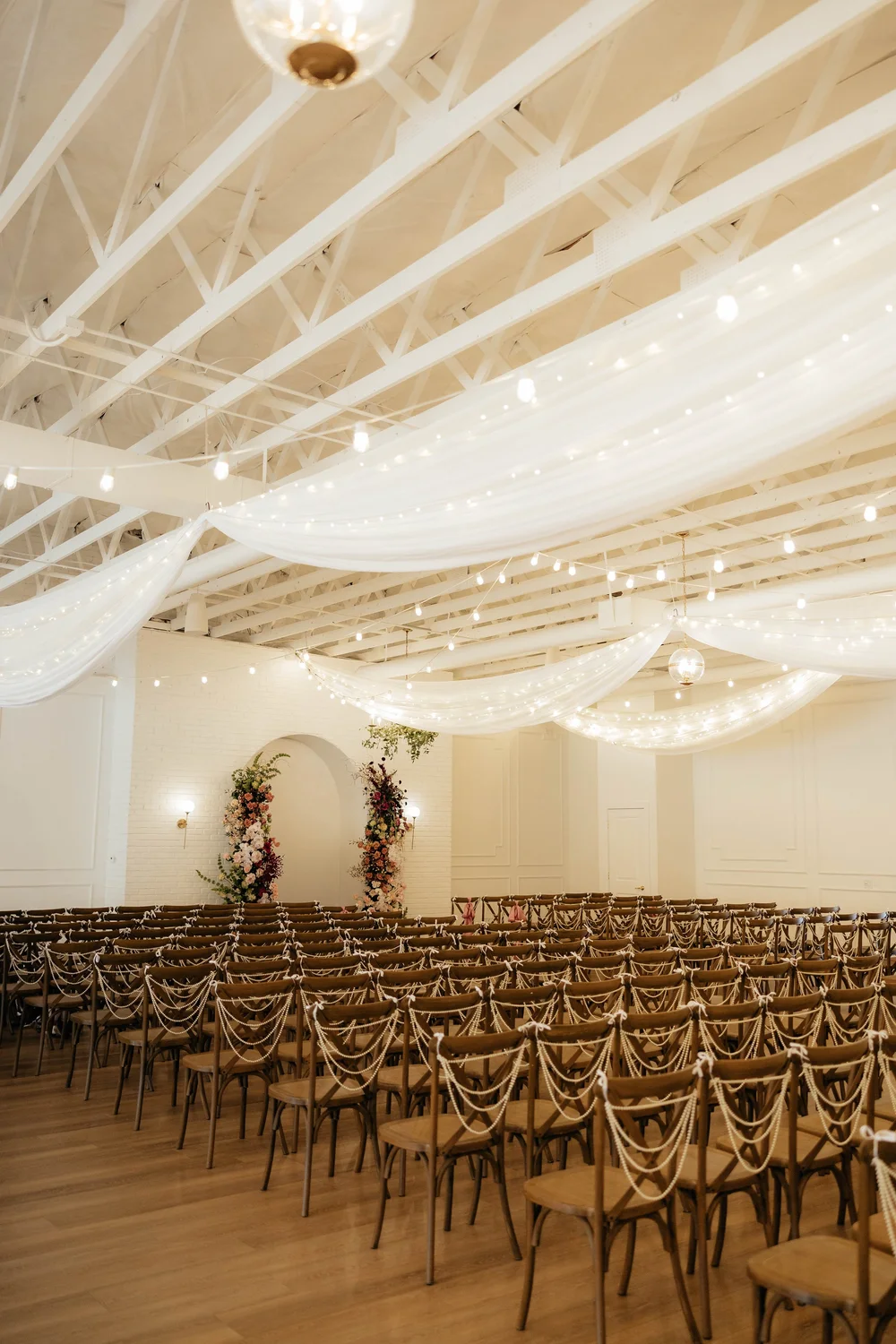
Starting at $1,250
View details →
Starting at $2,000
View details →Starting at $5,000
View details →
Starting at $2,045
View details →
Starting at $1,500
View details →
Starting at $2,500
View details →
Starting at $1,800
View details →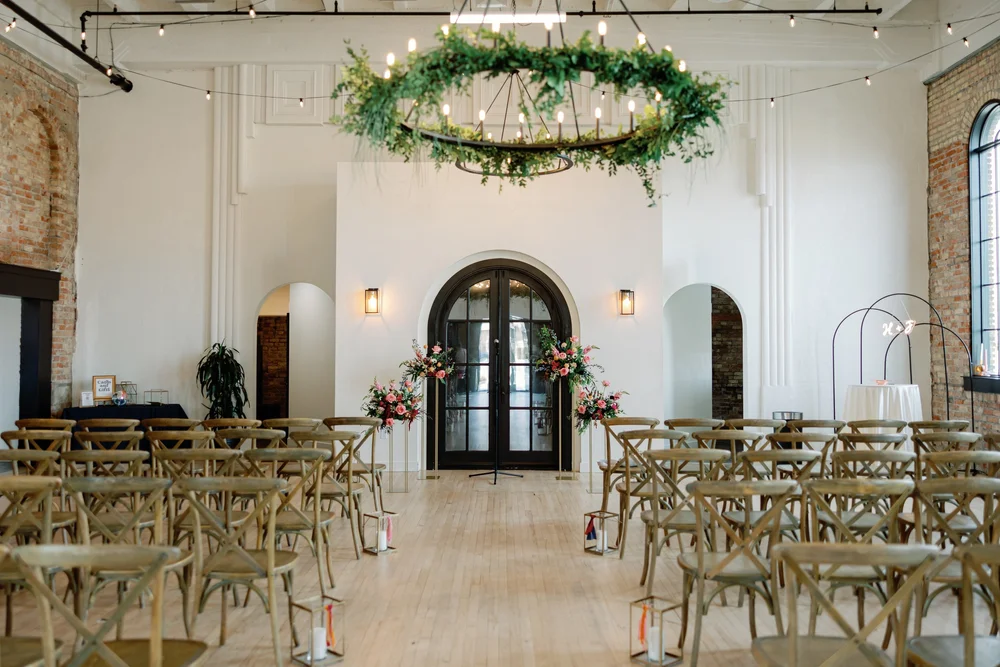
Starting at $1,250
View details →
Starting at $1,600
View details →
Starting at $7,500
View details →
Starting at $5,000
View details →
Starting at $695
View details →
Starting at $10,000
View details →
Starting at $5,000
View details →
Starting at $2,800
View details →
Starting at $7,500
View details →
Starting at $3,000
View details →
Starting at $7,500
View details →
Starting at $3,500
View details →
Starting at $1,000
View details →
Starting at $1,600
View details →
Starting at $2,300
View details →
Starting at $5,500
View details →
Starting at $4,500
View details →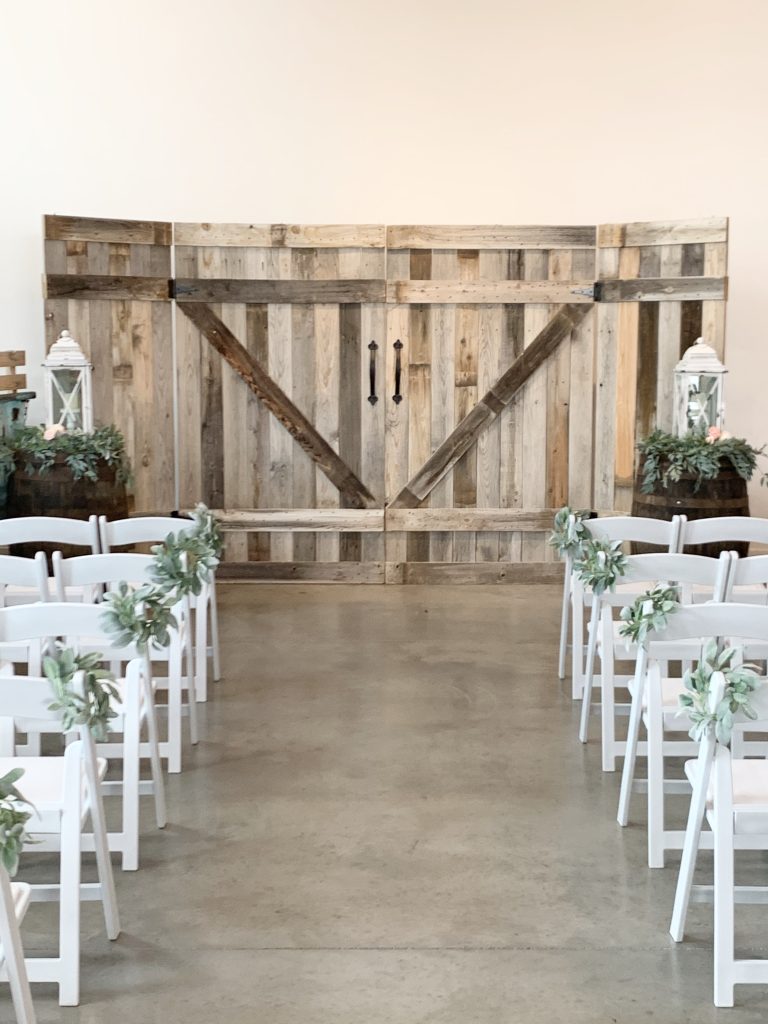
Starting at $1,400
View details →
Starting at $2,500
View details →
Starting at $1,500
View details →
Starting at $3,000
View details →
Starting at $5,000
View details →
Starting at $4,500
View details →
Starting at $3,599
View details →
Starting at $1,000
View details →
Starting at $3,200
View details →
Starting at $1,500
View details →
Starting at $5,000
View details →
Starting at $7,000
View details →
Starting at $10,000
View details →
Starting at $1,000
View details →
Starting at $600
View details →
Starting at $1,000
View details →
Starting at $5,500
View details →
Starting at $700
View details →
Starting at $4,200
View details →
Starting at $4,500
View details →
Starting at $6,015
View details →
Starting at $3,000
View details →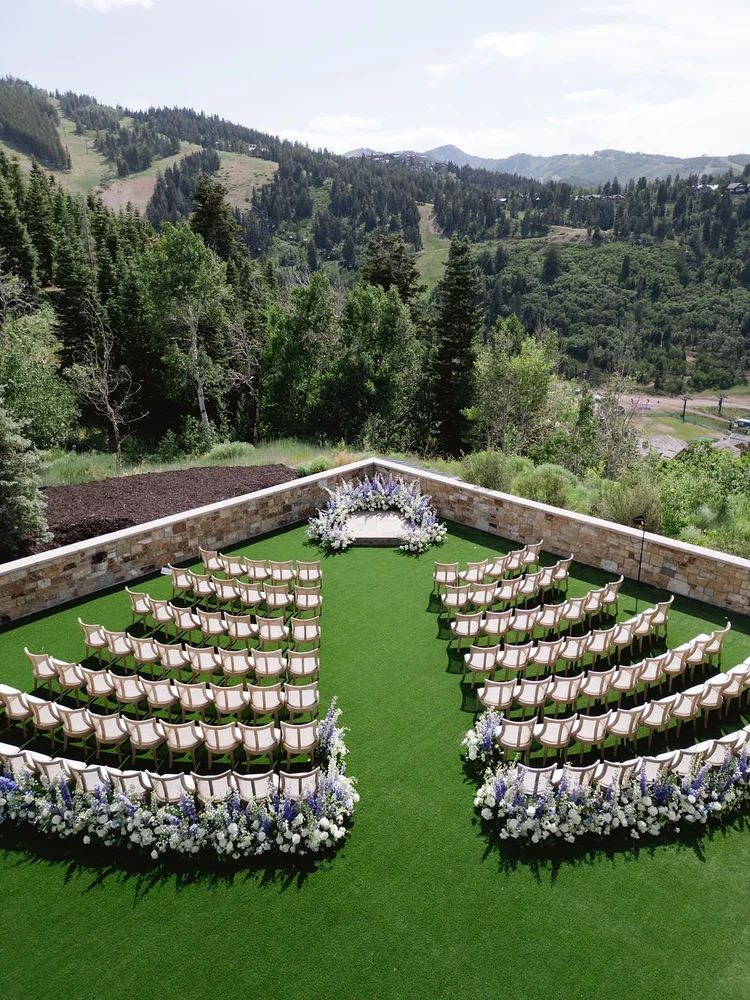
Starting at $8,000
View details →
Starting at $3,000
View details →
Starting at $3,200
View details →
Starting at $4,000
View details →
Starting at $9,500
View details →
Starting at $1,250
View details →
Starting at $2,100
View details →
Starting at $1,400
View details →
Starting at $1,250
View details →
Starting at $2,600
View details →
Starting at $2,000
View details →
Starting at $2,000
View details →
Starting at $1,000
View details →
Starting at $2,995
View details →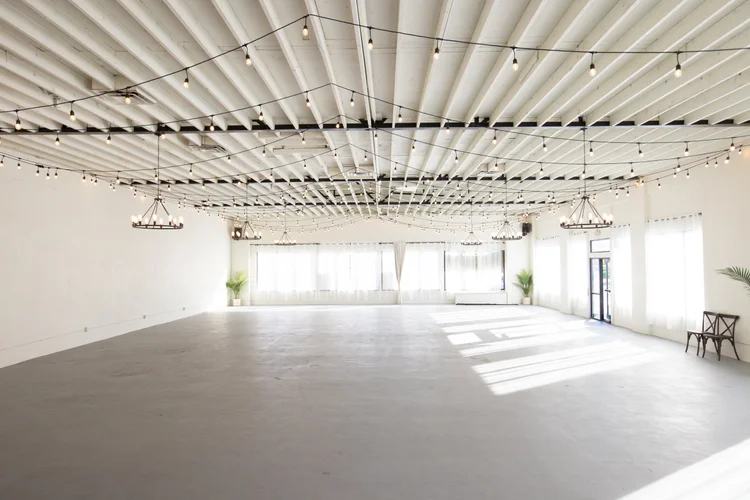
Starting at $2,500
View details →
Starting at $5,000
View details →
Starting at $1,800
View details →
Starting at $2,400
View details →
Starting at $1,350
View details →
Starting at $1,500
View details →
Starting at $2,200
View details →
Starting at $1,200
View details →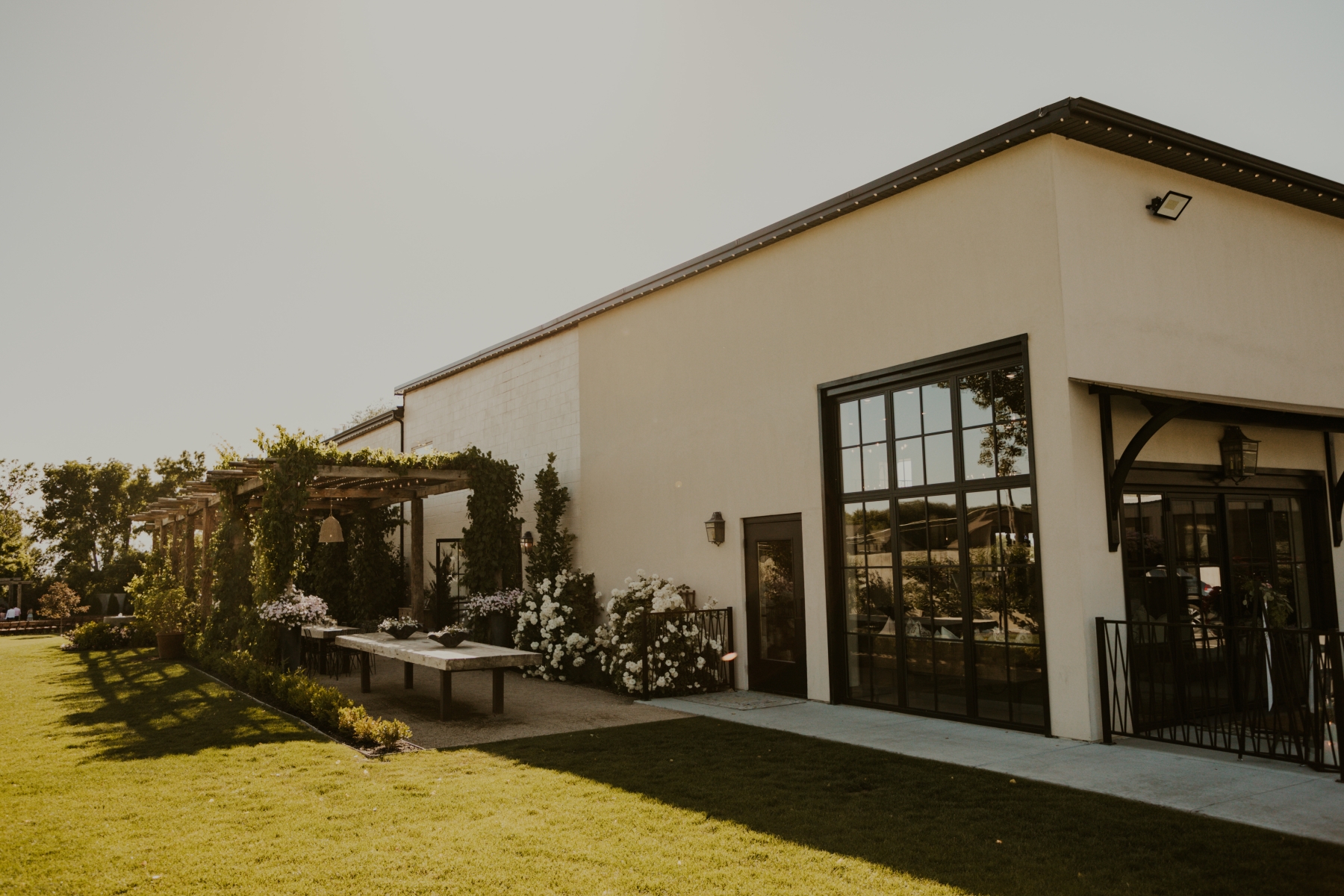
Starting at $3,500
View details →
Starting at $3,995
View details →
Starting at $2,800
View details →
Starting at $9,000
View details →
Starting at $1,500
View details →
Starting at $3,100
View details →
Starting at $2,500
View details →
Starting at $5,500
View details →
Starting at $900
View details →
Starting at $1,100
View details →
Starting at $6,000
View details →
Starting at $2,000
View details →
Starting at $1,800
View details →
Starting at $3,000
View details →
Starting at $10,000
View details →
Starting at $400
View details →
Starting at $300
View details →
Starting at $3,000
View details →
Starting at $4,700
View details →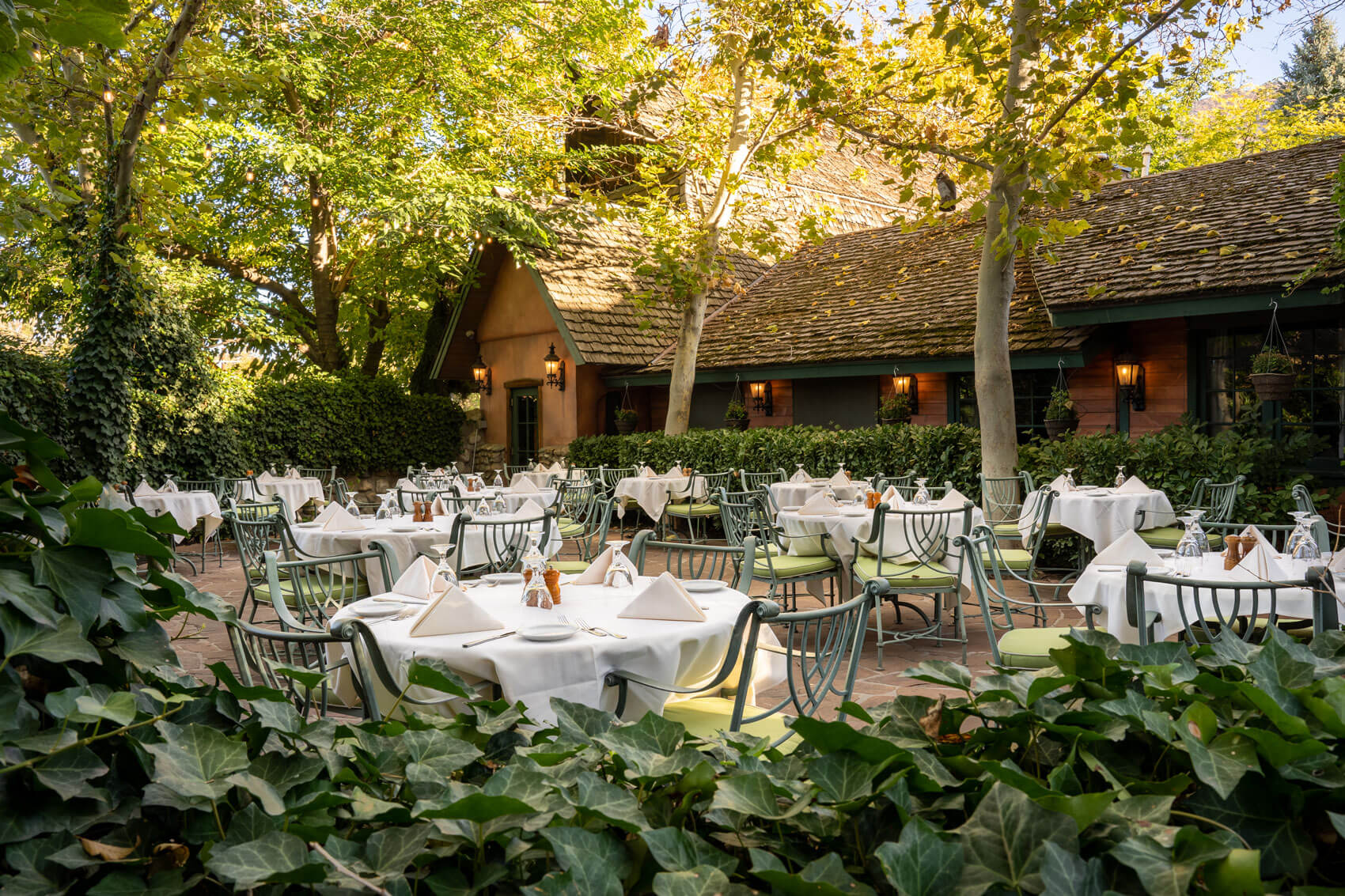
Starting at $1,000
View details →Starting at $2,000
View details →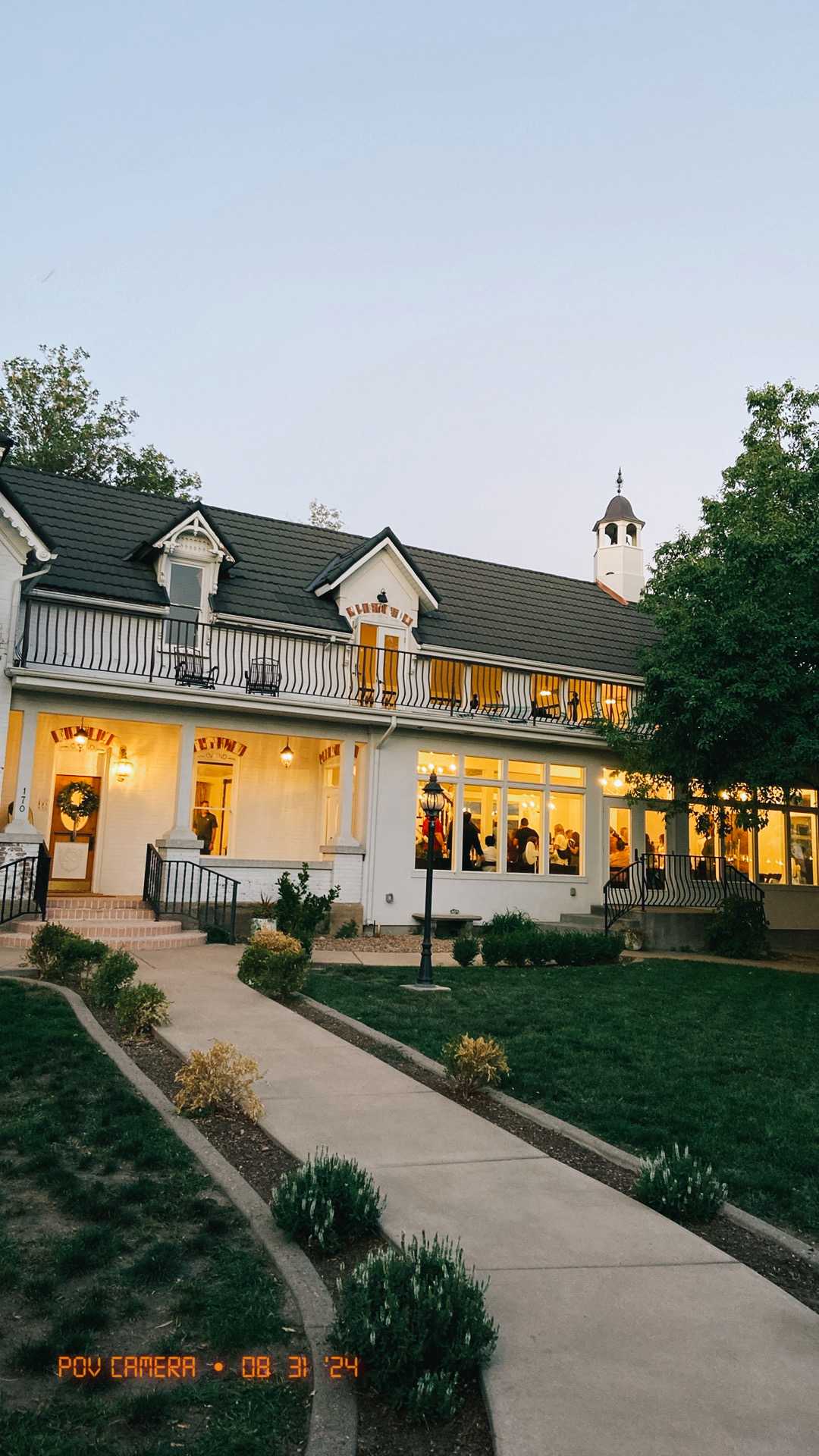
Starting at $1,500
View details →
Starting at $10,000
View details →
Starting at $5,500
View details →
Starting at $500
View details →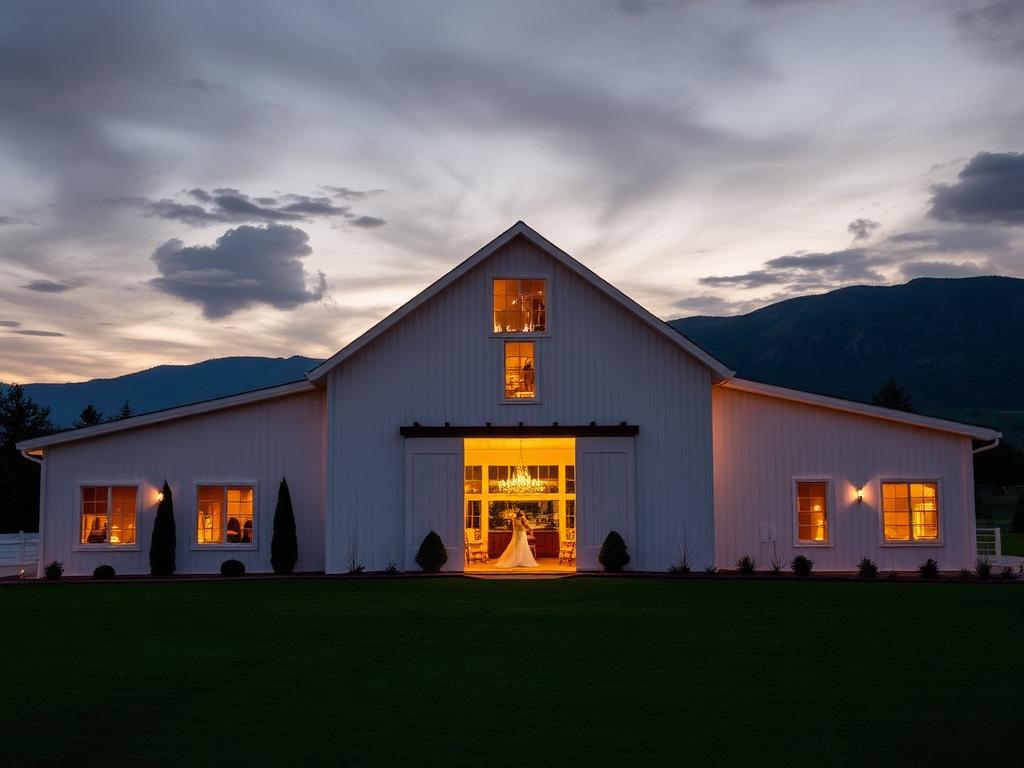
Starting at $2,900
View details →Starting at $2,800
View details →
Starting at $2,500
View details →
Starting at $3,800
View details →
Starting at $2,000
View details →
Starting at $1,000
View details →
Starting at $1,350
View details →
Starting at $6,000
View details →
Starting at $1,000
View details →
Starting at $1,199
View details →
Starting at $1,200
View details →
Starting at $10,000
View details →Request every estimate for the same date, guest count, hours, and ceremony/reception plan so quotes are truly comparable.
Confirm the displayed starting price applies to your actual day of week and season; ask for the exact figure for your date.
Ask for capacity by layout (seated banquet, ceremony, cocktail) so your plan fits fire code and available furniture.
List every payment, due date, and condition so cash flow and refund rules are clear before you sign.
Review reschedule and cancellation policies in writing, including how credits or fees are handled.
Identify which tables, chairs, linens, and AV are included versus add-ons to avoid double-paying with outside rentals.
No. The budget on this page refers to the lowest stored starting venue price only. Food, beverage, staffing, rentals, taxes, service charges, and other items are separate. Always request an itemized estimate for your date and guest count.
It varies. Some list space-only rental for a set number of hours; others use packages that include staffing or basic rentals. Ask what spaces you get, the access window, and which furnishings or services (if any) are included.
Yes. A food-and-beverage minimum or exclusive catering can significantly raise required spending beyond rental. Verify any minimums for your date and what counts toward them.
Often. Many venues have higher rates for peak months and Saturdays, and lower pricing for off-season or weekdays. Confirm the specific rate for your preferred date.
Usually. Larger headcounts can trigger higher room requirements, more staffing, and higher food-and-beverage totals. Ask how pricing scales as your guest list changes.
They can be. Many venues price Monday–Thursday, and sometimes Friday or Sunday, below Saturday. Request a weekday and a Saturday quote for a direct comparison.
Align assumptions first: same date, guest count, hours, and ceremony/reception plan. Then compare itemized totals, labeling mandatory versus optional fees. Review the true minimum to book and likely add-ons.
They reflect the latest available information stored in the directory, but pricing changes. Treat listings as a starting point and confirm current rates and inclusions directly with each venue.
Confirm what the rental includes, mandatory fees, vendor rules, access hours, setup/cleanup responsibilities, capacity for your layout, payment schedule, and cancellation/rescheduling terms. Ensure the contract matches the itemized proposal.