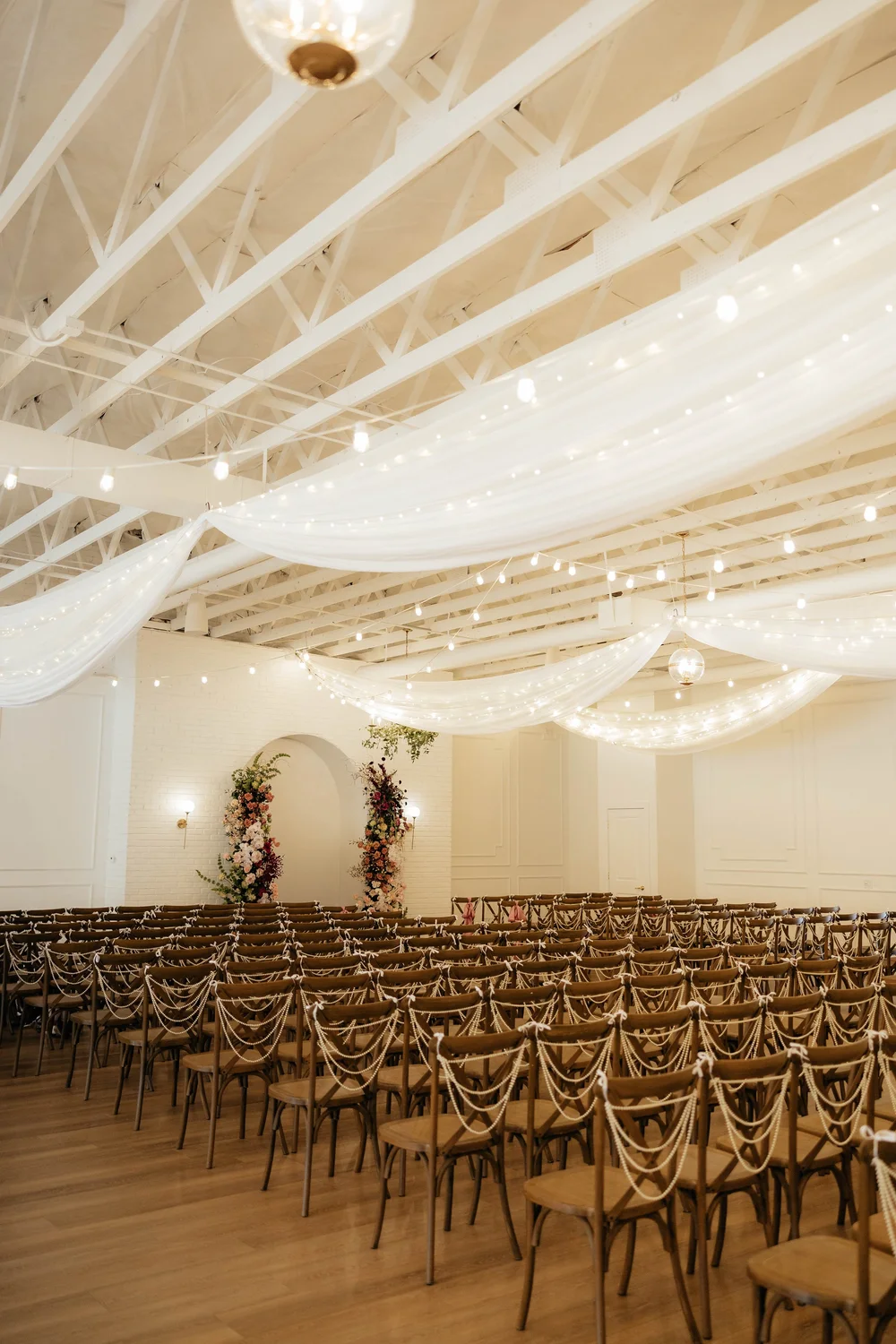
AMAVI Event Venue
Pricing Unverified
Spanish Fork, Utah
225 guests Indoor/OutdoorWedding and reception venue
Starting at $1,250
View details →Utah wedding venues with starting prices at or below $5,000 — budget-friendly picks across the state. Prices reflect venue starting rates only, not full wedding cost.
If you’re trying to keep your venue rental at or below $5,000, the decision usually comes down to how flexible you can be with dates, timing, and what’s included in the base fee. Utah currently offers broad variety at this level: our directory currently includes 66 venues that meet this threshold, with the lowest confirmed starting venue price at $500 and the highest qualifying starting price at $5,000. That spread means you’ll see everything from simple space-only rentals to fuller setups, and capacities ranging from midsize gatherings to very large events. A venue appears in this collection when the lowest confirmed starting venue price stored in our directory is $5,000 or less. That figure may apply only to certain dates, spaces, rental periods, guest counts, or packages and should not be interpreted as the total cost of a wedding. Confirm current pricing and inclusions directly with each venue.
Before you compare spaces, decide what you’re actually buying with the “starting price.” Some venues post a ceremony-only or weekday rate; others list the least expensive room on property or a shorter rental window. Because the same dollar figure can represent very different inclusions, it helps to define your must-haves first: ceremony plus reception or reception-only, indoor, outdoor, or both, and how many hours you need onsite for setup, the event, and cleanup.
Expect range in scale and format. The smallest stored guest capacity in this set is 70, and the largest is 2000, and most venues here offer both indoor and outdoor options. If you need very high capacity, it’s useful to know that The Grand America is the venue with the largest stored capacity in this collection; if you’re aiming to stay close to the $5,000 ceiling, Blue Sky Ranch is among the venues with a stored starting price at that top end. On the opposite side, Bumbleberry Inn is associated with the lowest stored starting price in this set. Those examples illustrate how widely offerings can differ at the same nominal budget point.
Use the comparison table and individual listings to verify the exact space, rental duration, and what’s included (tables, chairs, setup, cleaning) for each stored starting price. Prices in this directory reflect the latest available information but are not guarantees; always confirm current rates and any minimums with the venue before you rely on a number. Once you’ve narrowed options to those that fit your guest count and date flexibility, get itemized proposals so you can weigh true apples-to-apples costs beyond the headline rental fee.
“Starting price” is a label, not a promise of a specific package. At venues under $5,000, that figure can represent a wide variety of scenarios. To compare accurately, verify what the displayed rate actually buys for your date, your headcount, and your timeline. Weekday versus weekend pricing: Many venues publish the lowest rate tied to a weekday (often Monday–Thursday) or Friday/Sunday instead of Saturday. If you need a Saturday, ask for that exact date’s rate and confirm whether the posted starting price applies to it. If a weekday is viable, request the venue’s weekday matrix to see how pricing shifts across the week. Peak versus off-season dates: A starting price may reflect an off-season month when demand is lower. If your plans fall in peak season, ask how rates change and whether shoulder-season dates offer a middle ground. Clarify any holiday or blackout periods that carry premiums outside the normal calendar. Base rental pricing: Some venues use a space-rental-only structure as the entry point—four to eight hours of access with basic facility use. Others bundle select rentals (for example, venue tables and chairs) into the base. Ask for a written list of inclusions and exclusions tied to the starting price so you know what you would need to source separately. Ceremony-only rentals: The lowest posted figure might be for a ceremony-only window. If you want both ceremony and reception onsite, ask how the price changes when those are combined, and whether a flip or room change affects timing or fees. Shorter rental windows: It’s common for the lowest rate to assume a shorter block of time (e.g., a morning or afternoon slot). Verify the exact hours included, when you can start setup, and the deadline for cleanup. Ask about overage fees by the hour so you can plan realistically. Smaller venue spaces: Properties with multiple rooms often publish a starting price for their smallest or least in-demand space. If you need a larger hall or a specific view, request prices for each room that accommodates your guest count and compare what each includes. Package variations: Some venues present a baseline package at the lowest price point and offer higher tiers that add services such as upgraded rentals, coordination, or AV. Review the package grid carefully and match it to your needs rather than defaulting to the cheapest or the most inclusive. Optional upgrades: Lighting, lounge furniture, ceremony arches, AV, and extended access hours are often add-ons. Ask for an itemized list of optional upgrades with prices so you can decide what to keep, replace with outside vendors (if permitted), or skip altogether. Two important verification steps tie this together: first, confirm that the published starting price applies to your specific calendar date; second, confirm capacity in the intended layout (plated dinner, buffet, cocktail), because layout can reduce usable capacity relative to a headline number.
A venue rental under $5,000 can still lead to higher overall spend depending on policies and required services. Treat the rental fee as one line in a larger budget and confirm which of the following potential expenses apply to your booking. Catering: Ask whether the venue is in-house catering only, a preferred list, or fully open. Get sample menus with per-person pricing and minimum guest counts if applicable. Food-and-beverage minimums: Some venues require a minimum spend on food and drink in addition to (or instead of) a rental fee. Verify the minimum by date and time, what counts toward it, and what happens if you fall short. Alcohol: Clarify beer/wine/liquor policies, bar packages versus consumption, corkage fees, bartender staffing, last-call times, and security requirements tied to alcohol service. Taxes: Request the tax rate for rentals and for food and beverage, and confirm whether taxes apply to service charges and fees. Service charges: Many venues and caterers add a service or administrative charge. Ask for the exact percentage or flat fee and what it covers. Gratuities: Determine which teams expect or require gratuities (banquet staff, bartenders, valet) and whether any gratuity is already included in a service charge. Staffing: Verify required staffing levels (event manager, banquet staff, bartenders, AV techs) and whether those costs are included or billed separately. Security: Some properties require security based on guest count or alcohol service. Ask about provider rules, minimum hours, and rates. Cleaning: Find out if standard cleaning is included. Confirm fees for deep cleaning, confetti, sparklers, or other special cleanup needs. Setup and teardown: Ask who handles furniture setup, room flips, and breakdown, what timeline is included, and what overtime charges apply if your team runs long. Tables, chairs, linens: Clarify what the venue provides, quantities available, and any fees for upgraded styles. If nothing is included, get rental estimates so you’re not surprised later. Décor: Confirm rules for candles, hanging items, taping, and installations. Identify any required vendor approvals or extra insurance for rigs or heavy pieces. Insurance: Some venues require special event liability insurance and/or liquor liability. Ask for coverage limits and whether your caterer must carry a certificate as well. Required vendors: If certain vendors are mandatory (catering, bar, security, valet), confirm their pricing structure and whether outside options are allowed with a fee. Parking: Verify on-site capacity, any valet or attendant requirements, and per-car or per-hour costs. If parking is limited, ask about shuttle or rideshare staging. Transportation: If the venue is remote or split across sites (ceremony offsite, reception onsite), estimate shuttle or charter costs. Ask about load-in access and any vehicle restrictions. Collect these details in an itemized estimate that separates mandatory charges from optional upgrades so you can see the true commitment beyond the base rental.
To compare fairly, line up every proposal against the same assumptions and require itemization. Same date: Ask each venue to price your exact calendar date. If you’re flexible, choose one representative date in peak season and one off-season date, then compare sets. Same guest count: Provide an identical headcount to each venue. If you want a range, request clearly labeled scenarios (e.g., 120, 175, 225) so staffing, rentals, and food minimums scale consistently. Same rental duration: Standardize access hours across quotes, including setup and teardown. If one venue includes a shorter window, add the overtime cost so the totals reflect equivalent time. Same ceremony requirements: If you plan to host the ceremony onsite, include ceremony setup, seating, arch, sound, and a weather plan in every quote. If ceremony will be offsite, remove those elements everywhere. Same reception requirements: Specify dining style, dance floor, stage, AV needs, and any outdoor lighting or tenting. Different layouts can change capacity and costs, so make the assumptions explicit. Same catering assumptions: Use parallel menu styles (plated, buffet, stations), bar service approach (package vs. consumption), and service levels. Include tasting fees, cake cutting, and late-night snacks if relevant. Itemized estimates: Request a written breakdown showing rental, food, beverage, staffing, service charges, taxes, and optional upgrades as separate lines. Ask vendors to flag what’s mandatory. Mandatory versus optional charges: Have each venue designate which fees are required (e.g., security, cleaning) and which are optional (e.g., premium linens). When you build your comparison, total only the mandatory items plus the specific options you intend to keep so you don’t overstate one venue’s costs versus another. Finish by checking practical constraints: confirm capacity for your intended layout, power and sound limitations, and any curfew or noise rules that might require additional services or shorten the event window.
You can often stay under a $5,000 rental by adjusting timing, scope, or inclusions. These tactics don’t guarantee savings everywhere, but they are common levers to ask about. Friday weddings: Fridays are frequently priced below Saturdays. If your key guests can travel on Thursday evening, ask venues for Friday rates and availability holds. Sunday weddings: Some properties position Sunday as a value day, especially outside holiday weekends. Confirm load-out allowances if the venue turns over for Monday events. Off-season dates: Shifting into shoulder or off-season can unlock lower starting prices or added concessions. Ask venues which months they consider off-peak and how pricing changes. Morning or brunch events: Shorter daytime windows can reduce rental rates and overall spend on bar packages. Verify earliest load-in times and natural light considerations. Smaller guest counts: Lower headcounts can expand the list of eligible rooms and reduce required staff. Ask venues if a smaller space on the same property carries a lower rental. Shorter rental windows: If your program is concise, request quotes for a trimmed access period and confirm hourly extension costs if you decide you need more time. Included rentals: Prioritize venues that include tables, chairs, or basic AV in their base price so you avoid outside rental fees. Ask for an inclusions list with quantities and styles. Reducing mandatory add-ons: If a venue has required upgrades (e.g., premium linens or enhanced lighting), ask if there is a standard alternative included at no extra cost. Comparing package structures: Some packages bundle coordination, décor elements, or vendor services. If you don’t need those, ask for a space-only price or a lower tier to avoid paying for items you won’t use.
Use these questions to confirm terms before you sign: What is included and what is excluded in the starting price? Request a written inclusions list (space access, tables, chairs, setup, cleaning, AV) and a list of exclusions. What rental duration is included? Confirm access hours, earliest load-in, and latest load-out, plus hourly overtime rates. Who handles setup and cleanup? Clarify responsibilities for furniture placement, room flips, décor removal, and trash, and whether staff or vendors are required. Are outside vendors permitted? If limited to preferred vendors, request the full list, any substitution policies, and any outside-vendor fees. Is there a food-and-beverage minimum? If yes, what items count toward it, on which dates, and what happens if you don’t meet it? What service charges, taxes, and gratuities apply? Ask for exact percentages and which line items they apply to. Are tables, chairs, or linens included? If so, how many, what styles, and what are the upgrade costs if you need more or different items? Is event insurance required? Confirm coverage limits and who must be named as insured. How much is the deposit and what is the payment schedule? Note due dates and acceptable payment methods. What are the cancellation and rescheduling terms? Ask about deadlines, fees, partial refunds or credits, and what happens if the venue cancels. How are guest-count changes handled? Confirm deadlines for final counts and how pricing scales if you go up or down. Will prices change before we sign? Request a hold policy and how long a quoted rate is valid for your date. How would our actual date and guest count affect the estimate? Ask for at least two written scenarios that reflect your most likely outcomes so you can compare before committing.
This list updates automatically whenever new venues match the criteria.
Starting at $1,250
View details →
Starting at $2,000
View details →Starting at $5,000
View details →
Starting at $2,045
View details →
Starting at $1,500
View details →
Starting at $2,500
View details →
Starting at $1,800
View details →
Starting at $1,250
View details →
Starting at $1,600
View details →
Starting at $5,000
View details →
Starting at $695
View details →
Starting at $5,000
View details →
Starting at $2,800
View details →
Starting at $3,000
View details →
Starting at $3,500
View details →
Starting at $1,000
View details →
Starting at $1,600
View details →
Starting at $2,300
View details →
Starting at $4,500
View details →
Starting at $1,400
View details →
Starting at $2,500
View details →
Starting at $1,500
View details →
Starting at $3,000
View details →
Starting at $5,000
View details →
Starting at $4,500
View details →
Starting at $3,599
View details →
Starting at $1,000
View details →
Starting at $3,200
View details →
Starting at $1,500
View details →
Starting at $5,000
View details →
Starting at $1,000
View details →
Starting at $600
View details →
Starting at $1,000
View details →
Starting at $700
View details →
Starting at $4,200
View details →
Starting at $4,500
View details →
Starting at $3,000
View details →
Starting at $3,000
View details →
Starting at $3,200
View details →
Starting at $4,000
View details →
Starting at $1,250
View details →
Starting at $2,100
View details →
Starting at $1,400
View details →
Starting at $1,250
View details →
Starting at $2,600
View details →
Starting at $2,000
View details →
Starting at $2,000
View details →
Starting at $1,000
View details →
Starting at $2,995
View details →
Starting at $2,500
View details →
Starting at $5,000
View details →
Starting at $1,800
View details →
Starting at $2,400
View details →
Starting at $1,350
View details →
Starting at $1,500
View details →
Starting at $2,200
View details →
Starting at $1,200
View details →
Starting at $3,500
View details →
Starting at $3,995
View details →
Starting at $2,800
View details →
Starting at $1,500
View details →
Starting at $3,100
View details →
Starting at $2,500
View details →
Starting at $900
View details →
Starting at $1,100
View details →
Starting at $2,000
View details →
Starting at $1,800
View details →
Starting at $3,000
View details →
Starting at $400
View details →
Starting at $300
View details →
Starting at $3,000
View details →
Starting at $4,700
View details →
Starting at $1,000
View details →Starting at $2,000
View details →
Starting at $1,500
View details →
Starting at $500
View details →
Starting at $2,900
View details →Starting at $2,800
View details →
Starting at $2,500
View details →
Starting at $3,800
View details →
Starting at $2,000
View details →
Starting at $1,000
View details →
Starting at $1,350
View details →
Starting at $1,000
View details →
Starting at $1,199
View details →
Starting at $1,200
View details →Total your mandatory charges—rental, F&B minimums, service fees, taxes—before judging affordability.
Ask venues to separate rental, catering, beverage, staffing, service charges, taxes, and options.
Confirm that the displayed starting price applies to your calendar date and event window.
Ask for floor plans and maximums for banquet, buffet, and cocktail configurations.
Record deposit amounts, due dates, and consequences for missed payments.
Understand cutoffs, fees, credits, and any rebooking policies in writing.
Confirm in-house or preferred-vendor rules, outside-vendor fees, and documentation needs.
List the quantities and styles of tables, chairs, linens, and basic AV included in the base rate.
No. The figure refers to a venue’s starting rental price or entry-level package. Food, beverage, staffing, taxes, service charges, rentals, and other items can raise the total.
It varies. Some venues include only space and standard access hours; others include tables, chairs, or basic setup. Always request a written inclusions list tied to the quoted rate.
Yes. A food-and-beverage minimum or in-house catering requirements can significantly affect the final spend. Ask what counts toward the minimum and request itemized catering estimates.
Often. Many venues price weekends and peak months higher than weekdays or off-season dates. Confirm the rate for your exact date and time block.
Yes. Higher headcounts can change room eligibility, staffing, rentals, and food-and-beverage minimums. Provide the same guest count to every venue when requesting quotes.
They can be. Weekdays and some Fridays or Sundays often carry lower starting prices or reduced minimums, but policies vary by venue.
Use identical assumptions—same date, guest count, hours, ceremony and reception scope, and catering plan—and require itemized estimates separating mandatory and optional fees.
They reflect the latest available information but are not guarantees. Always confirm current pricing, availability, and inclusions with the venue before booking.
Yes. A walkthrough confirms layout, flow, load-in logistics, and what’s actually included. Bring your questions and ask for an updated, itemized proposal afterward.
Date-specific pricing, inclusions and exclusions, access hours, vendor policies, minimums, service charges, taxes, deposits, payment schedule, and cancellation/rescheduling terms—all in writing.
Utah venues offering outdoor ceremony space — from garden ceremonies to mountain-view lawns.
Utah wedding venues with starting prices under $5,000 — great picks for couples working with a smaller budget.
Utah wedding venues featuring gardens, greenhouses, and botanical settings.