
9 Acres Event Barn
Pricing Unverified
Provo, Utah
300 guests Indoor/OutdoorBarn
Starting at $6,500
View details →Utah wedding venues with confirmed starting prices at or below $10,000 — a wider mid-budget field than the sub-$5,000 tier.
Keeping your venue’s base rental at or below $10,000 is a clear target, but it still leaves big decisions: which dates keep you under that threshold, what the “starting price” actually buys, and how to compare quotes that package space, time, and services in different ways. Utah has a wide spread of options that meet this bar, from simple event halls to resorts with indoor/outdoor spaces, so the trick is filtering by what you truly need—date, guest count, and must‑have inclusions—before you start trading emails with venues.
Our directory currently includes 81 venues that meet this qualification, spanning indoor‑only spaces as well as both indoor and outdoor setups across 40 cities. The latest available starting prices in this set range from $500 at the low end to $10,000 at the top. That coverage gives you room to compare lean, space‑only rentals with venues that bundle more services. A venue appears in this collection when the lowest confirmed starting venue price stored in our directory is $10,000 or less. That figure may apply only to certain dates, spaces, rental periods, guest counts, or packages and should not be interpreted as the total cost of a wedding. Confirm current pricing and inclusions directly with each venue.
If you’re trying to keep flexibility, begin with the date question. Many venues vary their starting rate by day of week and season; off‑peak Fridays or Sundays often carry a lower base than prime Saturdays. Next, match capacity and layout to your guest list. This set includes options that support intimate gatherings and others built for large receptions—some venues in this list handle a few hundred guests and more—so make sure the space you’re eyeing is comfortable for your intended headcount and format (plated dinner versus open‑house reception, ceremony on‑site or elsewhere). Finally, look closely at what the starting number includes. Some venues quote space only; others fold in tables, chairs, or limited setup time. A low starting figure may still fit best if you already plan to bring in rentals; likewise, a higher starting figure can be the more predictable choice if it covers core items you’d otherwise source separately.
As you browse, you’ll see both simple event spaces and mountain or garden properties. For example, La Caille lists a starting price of $1,000, while Entrada at Snow Canyon and River Bottoms Ranch each list $10,000 starting prices. Silver Fork Lodge shows a $700 starting price. Those figures establish the entry point for conversations; availability, space selection, rental window, and package choices can all affect your final contract. Use itemized proposals and equal assumptions (same date, guest count, and rental duration) to make apples‑to‑apples comparisons.
One more practical note: none of these starting prices reflect the complete event. Catering arrangements, alcohol rules, staffing, service charges, taxes, and vendor requirements can shift the total more than the base rental itself. Treat the starting price as the envelope around your space and time; then layer in the must‑haves to see where the total lands.
A posted “starting price” is the opening bid for securing space and time, not a guarantee that your preferred Saturday in peak season will cost the same. It’s a signal that, under at least some circumstances, the venue rents for that amount or less. Because policies vary widely, plan to verify the assumptions behind any number you see before you evaluate fit. Weekday versus weekend pricing: Many venues price Saturdays higher than Fridays and Sundays, and weekdays can be lower still. If you can be flexible, ask for a rate sheet that breaks out each day of the week so you can weigh the trade‑off between convenience and cost. An under‑$10,000 venue on a Friday might exceed that number on a prime Saturday, and vice versa. Peak versus off‑season dates: Seasonality often matters. Mountain and outdoor‑forward properties may set peak rates for high‑demand months; some urban or indoor venues adjust less but still differentiate shoulder seasons. When you request a quote, specify your exact month (or a few acceptable months) to see how the rate shifts. Base rental pricing: The starting figure may reflect space‑only rental with limited time blocks. That can be ideal if you prefer to source your own rentals and décor, or if you’re planning a short reception after a ceremony held elsewhere. Read the inclusions list carefully—some spaces include tables and chairs, others do not; some include a small setup window, others sell additional hours. Ceremony‑only rentals: A posted entry price can reflect a ceremony‑only option in a smaller space or shorter time frame. If you intend to host both ceremony and reception, ask how the price changes when both are held on site and whether additional coordination, setup changes, or room flips affect labor or staffing fees. Shorter rental windows: Starting prices frequently tie to compact blocks (for example, a morning or afternoon slot). If you need a long setup, room flip, or late‑night teardown, confirm the cost of extra hours and when they’re allowed. Paying for an additional hour can be more cost‑effective than upgrading to a larger package, but only if the venue permits the extension. Smaller venue spaces: Multi‑space properties sometimes use smaller rooms or secondary gardens to reach their lowest price tier. If your guest count is modest, ask whether the intro pricing applies to those spaces and what the capacity and layout limits are, including dance floor and buffet needs. Package variations: Some venues structure starting prices around basic packages that bundle essentials (for example, space, standard setup, and basic furniture). Higher tiers may include additional décor, expanded time, alternative spaces, or on‑site coordination. If you see a starting price that looks appealing, request the full package matrix so you understand how quickly costs rise as you add features. Optional upgrades: Lighting, specialty furniture, ceremony arches, amplified sound, and kitchen access can be add‑ons. Decide which items you’d rather source from a rental company versus the venue, and ask for the venue’s current pricing to compare. A slightly higher package that includes core rentals can be simpler than piecing everything together, but don’t assume inclusions—get the itemized list. Two quick examples from this list illustrate spread without implying inclusions: La Caille lists a $1,000 starting price, while River Bottoms Ranch and Entrada at Snow Canyon each list $10,000, and Silver Fork Lodge lists $700. Those figures show how entry points vary; the scope attached to each price still depends on date, space, and time. Use that lens across every venue you contact.
The base rental is only part of the total. To avoid surprises, build a checklist of possible expenses to verify with each venue and vendor, and ask for everything to be itemized. Catering: Determine whether you can choose any caterer, must select from a preferred list, or are required to use on‑site food service. Ask for sample menus at your target guest count and service style (plated, buffet, stations). Clarify what’s included (kitchen access, tastings, cake cutting) and what’s extra. Food‑and‑beverage minimums: Some venues and caterers require a minimum spend on food and/or bar. A modest room rental can be paired with a substantial minimum, so confirm the exact dollar amount, what qualifies toward it, and which taxes and fees apply on top. Alcohol: Rules vary. Confirm who can provide alcohol, corkage policies, bartending requirements, last‑call timing, and whether you can bring your own beer, wine, or liquor. Ask for bar package options and per‑drink pricing if applicable. Taxes, service charges, and gratuities: Service charges and sales tax can materially increase the total. Verify which line items incur each charge and at what percentage. Ask how gratuities are handled for catering, bartending, or venue staff and whether they are mandatory or at your discretion. Staffing: Event managers, banquet captains, servers, bartenders, coat check, restroom attendants, and AV techs may be required. Clarify who hires and pays them, minimum staffing ratios, overtime rules, and when labor fees apply (for example, room flips or late‑night load‑out). Security: Some venues require security for larger guest counts or events with alcohol. Ask about required vendors, headcount, hours, and rates. Cleaning: Post‑event cleaning or trash removal may be included, limited, or fully charged as an add‑on. Ask what level of cleanup is expected from you or your vendors and what happens if extra cleaning is needed. Setup and teardown: Clarify who sets tables and chairs, who handles décor installation, and how early you can access the space. If the venue provides setup/teardown, verify the scope and timing. If not, factor in labor from your caterer or a rental company. Tables, chairs, linens: Basic furniture may or may not be part of the rental. Confirm quantities, styles, and condition. If linens aren’t included, get a quote from the caterer or a rental company and compare to the venue’s offerings. Décor: House décor or lighting packages can be optional upgrades. Confirm rules about candles, hanging installations, confetti, and attachment methods. If the venue has restrictions, ask for approved alternatives. Insurance: Many venues require event liability insurance and, if serving alcohol, host liquor liability coverage. Verify coverage limits, additional insureds, and due dates. Ask whether your caterer’s policy covers any portion. Required vendors: Some properties require or strongly prefer specific caterers, planners, or bar services. Confirm whether outside vendors are permitted, what credentials are required, and whether additional fees apply if you bring your own team. Parking and transportation: Ask about on‑site parking capacity, valet options, shuttle requirements, and any associated fees. If parking is limited, factor in guest shuttles or rideshare coordination. AV and power: If you need microphones, speakers, projectors, or additional power for a band, ask about in‑house systems, rental fees, and vendor access requirements. Some venues impose sound limits or cutoff times. Permits and licensing: Check whether amplified sound permits, tent permits, or fireworks/sparkler permissions are relevant, and who obtains them. Even if unlikely, it’s safer to confirm than to assume. The goal is not to assume every venue charges these fees, but to verify which apply in your scenario and capture them on one consolidated estimate so you can compare totals accurately.
To make a fair comparison, align every quote to the same scenario and request itemized detail. Small differences in assumptions can move a quote above or below your budget. Fix the same date (or a single day‑of‑week and month): Ask each venue for pricing on the exact date you prefer, or at least the same day of the week in the same month. Prices that fit on a Friday may not hold for a Saturday. Use the same guest count: Pick one realistic headcount for comparison purposes, including children and vendors who will eat. If you’re still deciding, compare at two set counts (for example, 120 and 180) with clearly labeled versions. Set the same rental duration: Align load‑in, event, and load‑out windows. If you need early access for décor or a room flip between ceremony and reception, add those hours to every quote. Ask for the cost of additional hours so overage risk is visible. Match ceremony and reception requirements: If you plan to hold both on site, ensure each proposal includes ceremony time, seating, and any room‑flip labor. If you’ll host the ceremony elsewhere, remove ceremony charges from all quotes. Use the same catering assumptions: Keep service style and menu tier constant across venues (for example, buffet with two entrees, salad, and dessert; coffee/tea included). Apply the same bar approach in every quote—hosted, cash, or capped—so the totals line up. Request itemized estimates: Ask each venue to break out rental, staffing, service charges, taxes, cleaning, security, AV, and rentals (tables, chairs, linens). Itemization makes it easy to see what’s mandatory and what you can change. Separate mandatory versus optional charges: Identify which fees are required (for example, venue service charge, minimum staffing) and which are elective (upgraded chairs, late‑night snacks). If a charge looks optional, confirm it in writing. Freeze assumptions and version your files: When a venue revises a quote, save it as a new version and note the changes (date shift, guest count, added hour). Keep a one‑page summary table with the final apples‑to‑apples totals for quick reference. Finally, pressure‑test logistics: Ask how quotes change with weather backup plans, vendor power needs, or dance floor requirements. A venue that looks slightly higher on paper might reduce risk and contingency costs elsewhere.
You can often stay under a $10,000 venue cap by trading time, date, scope, or inclusions—without compromising on the overall experience. None of the following strategies guarantees savings at every property, but they’re common levers to ask about. Friday weddings: Many venues price Fridays below Saturdays. If key guests can travel on Thursday or work locally, a Friday can unlock a lower starting price or reduce add‑on fees tied to peak demand. Sunday weddings: Sundays are frequently more flexible, especially outside holiday weekends. If you plan an earlier ceremony and reception, you may also find more favorable staffing or cleanup pricing. Off‑season dates: Shoulder and off‑peak months can lower base rates or minimums. Ask venues for a calendar that highlights peak, shoulder, and off‑peak periods so you can quickly see which dates align with your budget. Morning or brunch events: Short daytime events can fit into shorter rental windows and lighter menus, which sometimes align with a venue’s lowest starting rate. Confirm earliest load‑in times and noise policies. Smaller guest counts: Reducing headcount cuts per‑person costs for catering and rentals and can open up smaller spaces where the starting price is lower. If your list flexes by 20–40 people, price both scenarios. Shorter rental windows: If décor is minimal and you don’t need a long room flip, ask about condensed blocks. Buying one extra hour is often cheaper than upgrading to a full‑day package—confirm the per‑hour extension policy. Included rentals: Compare packages that include tables, chairs, and basic linens versus space‑only options. Paying slightly more for a package can be cost‑neutral or cheaper once you price out third‑party rentals and delivery. Reducing mandatory add‑ons: If a package auto‑includes items you won’t use, ask about a version without them. Removing an arch, specialty lounge set, or premium lighting can bring the total down if the venue allows substitutions. Comparing package structures: Some venues offer a low space rental paired with higher minimums or service charges, while others bundle more at a higher starting price. Price both models with identical assumptions and pick the one that best controls the total and your planning time.
Use this checklist to confirm terms before you place a deposit. Get answers in writing and keep them attached to the proposal. What is included: List furniture, setup time, staffing, AV, suites, and any décor. Ask for quantities and styles of tables and chairs. What is excluded: Identify items you’ll need to source elsewhere—linens, specialty lighting, dance floor, heaters, tenting, or kitchen access. Rental duration: Confirm load‑in, event, and load‑out windows; overtime policies; and quiet hours. Note fees for early access or late departure. Setup: Who sets tables, places linens, and arranges décor? Are vendors allowed early access? Are there restrictions on ladders, rigging, or attachments? Cleanup: What level of cleaning is included? What must be removed the night of? Are trash removal and recycling included? What are the fees for extra cleaning? Outside vendors: Are non‑preferred vendors allowed? What insurance and licenses are required? Are there vendor access windows and loading rules? Food minimums: Is there a food‑and‑beverage minimum? What counts toward it? What happens if the actual spend falls short? Service charges: Which items incur a service charge and at what percentage? Are taxes calculated before or after the service charge? Gratuities: Are gratuities mandatory for staff or catering? If discretionary, who distributes them and how? Deposits: How much is due to secure the date? Is it refundable under any circumstances? What triggers forfeiture? Payment schedule: Due dates, accepted payment methods, and any fees for credit cards or late payments. Ask about pricing holds and quote expiration. Cancellation: Deadlines, fees, and refund structure. Clarify what happens if the venue cancels or cannot perform. Rescheduling: Policies for moving dates, including any change fees and rate changes if shifting into peak periods or Saturdays. Guest‑count changes: Deadlines for final headcount, how per‑person charges adjust, and whether minimums remain fixed. Price changes before contract signing: How long is a quote valid? What must you do to lock pricing? Ask to attach the final, itemized estimate as an exhibit to the contract.
This list updates automatically whenever new venues match the criteria.
Starting at $6,500
View details →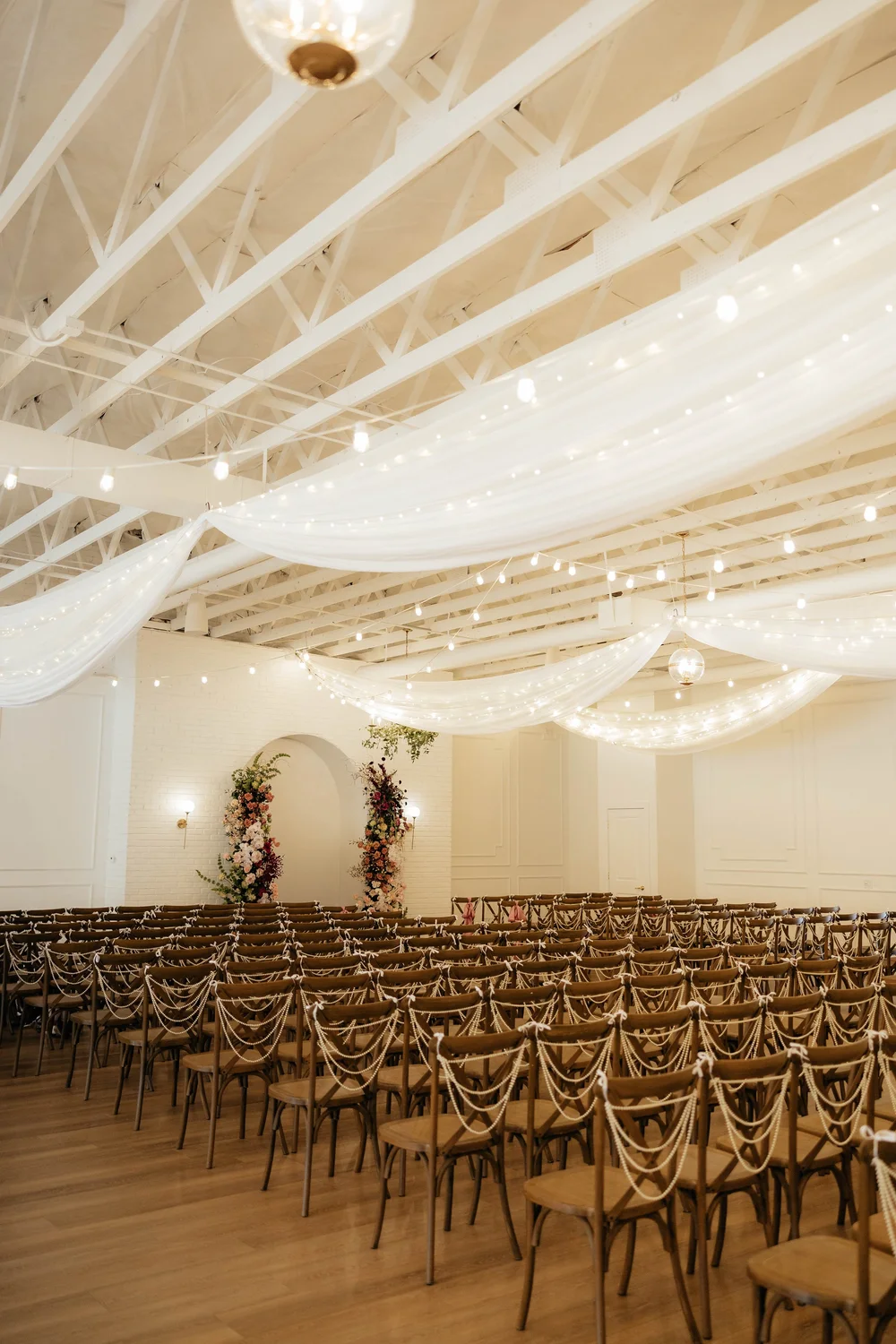
Starting at $1,250
View details →
Starting at $2,000
View details →Starting at $5,000
View details →
Starting at $2,045
View details →
Starting at $1,500
View details →
Starting at $2,500
View details →
Starting at $1,800
View details →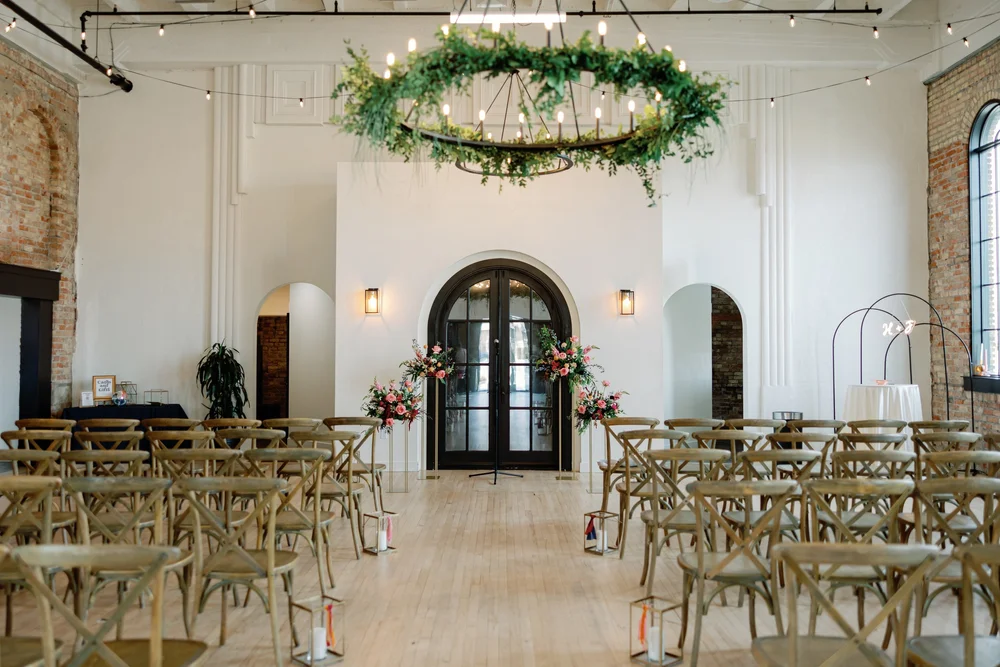
Starting at $1,250
View details →
Starting at $1,600
View details →
Starting at $7,500
View details →
Starting at $5,000
View details →
Starting at $695
View details →
Starting at $10,000
View details →
Starting at $5,000
View details →
Starting at $2,800
View details →
Starting at $7,500
View details →
Starting at $3,000
View details →
Starting at $7,500
View details →
Starting at $3,500
View details →
Starting at $1,000
View details →
Starting at $1,600
View details →
Starting at $2,300
View details →
Starting at $5,500
View details →
Starting at $4,500
View details →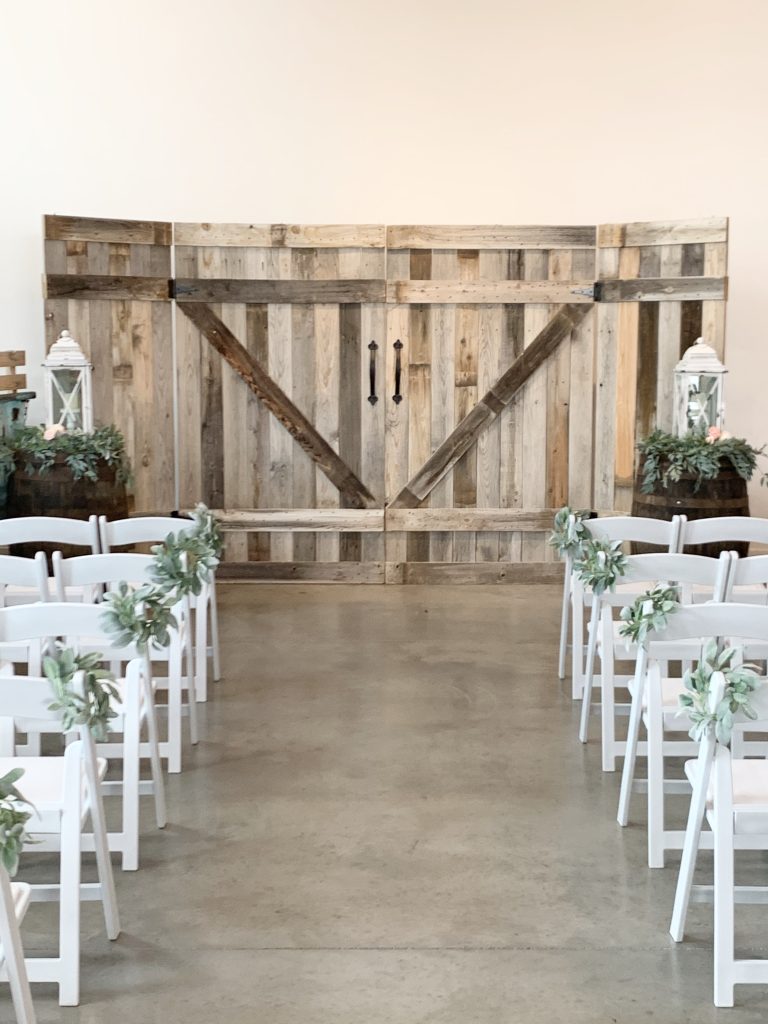
Starting at $1,400
View details →
Starting at $2,500
View details →
Starting at $1,500
View details →
Starting at $3,000
View details →
Starting at $5,000
View details →
Starting at $4,500
View details →
Starting at $3,599
View details →
Starting at $1,000
View details →
Starting at $3,200
View details →
Starting at $1,500
View details →
Starting at $5,000
View details →
Starting at $7,000
View details →
Starting at $10,000
View details →
Starting at $1,000
View details →
Starting at $600
View details →
Starting at $1,000
View details →
Starting at $5,500
View details →
Starting at $700
View details →
Starting at $4,200
View details →
Starting at $4,500
View details →
Starting at $6,015
View details →
Starting at $3,000
View details →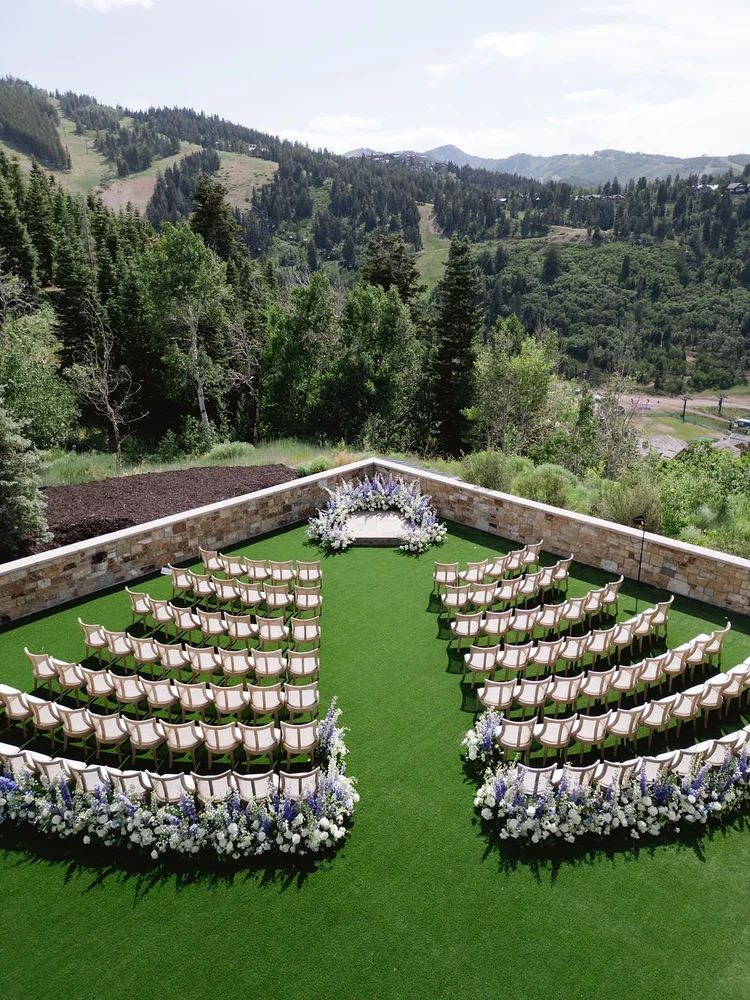
Starting at $8,000
View details →
Starting at $3,000
View details →
Starting at $3,200
View details →
Starting at $4,000
View details →
Starting at $9,500
View details →
Starting at $1,250
View details →
Starting at $2,100
View details →
Starting at $1,400
View details →
Starting at $1,250
View details →
Starting at $2,600
View details →
Starting at $2,000
View details →
Starting at $2,000
View details →
Starting at $1,000
View details →
Starting at $2,995
View details →
Starting at $2,500
View details →
Starting at $5,000
View details →
Starting at $1,800
View details →
Starting at $2,400
View details →
Starting at $1,350
View details →
Starting at $1,500
View details →
Starting at $2,200
View details →
Starting at $1,200
View details →
Starting at $3,500
View details →
Starting at $3,995
View details →
Starting at $2,800
View details →
Starting at $9,000
View details →
Starting at $1,500
View details →
Starting at $3,100
View details →
Starting at $2,500
View details →
Starting at $5,500
View details →
Starting at $900
View details →
Starting at $1,100
View details →
Starting at $6,000
View details →
Starting at $2,000
View details →
Starting at $1,800
View details →
Starting at $3,000
View details →
Starting at $10,000
View details →
Starting at $400
View details →
Starting at $300
View details →
Starting at $3,000
View details →
Starting at $4,700
View details →
Starting at $1,000
View details →Starting at $2,000
View details →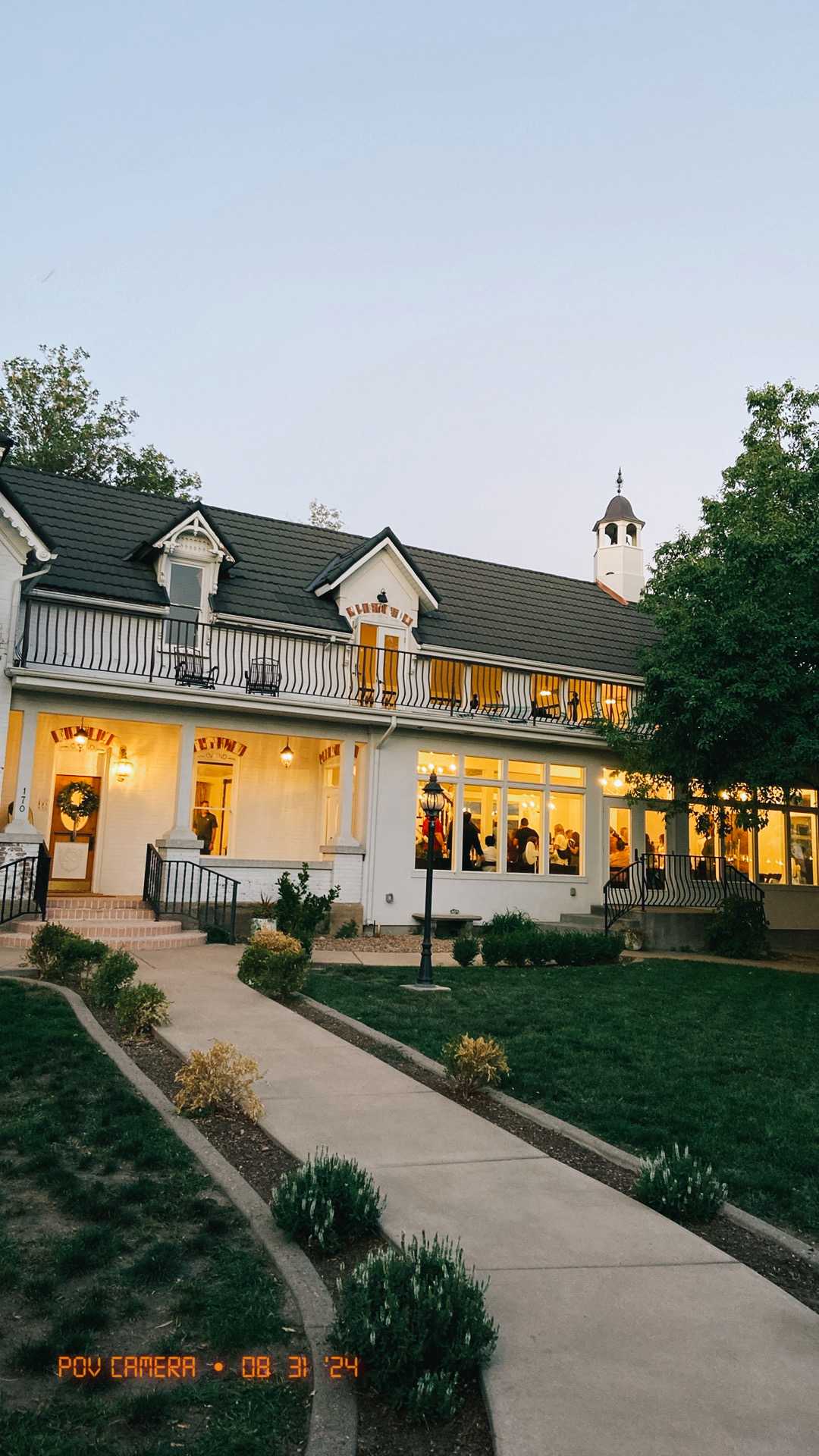
Starting at $1,500
View details →
Starting at $10,000
View details →
Starting at $5,500
View details →
Starting at $500
View details →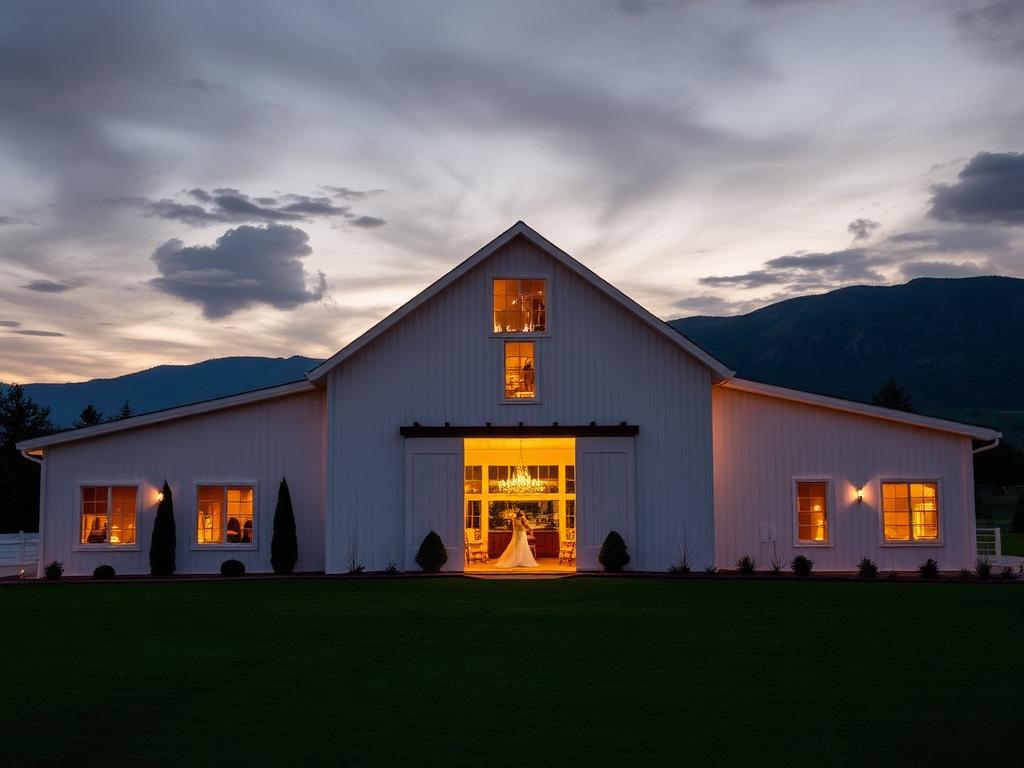
Starting at $2,900
View details →Starting at $2,800
View details →
Starting at $2,500
View details →
Starting at $3,800
View details →
Starting at $2,000
View details →
Starting at $1,000
View details →
Starting at $1,350
View details →
Starting at $6,000
View details →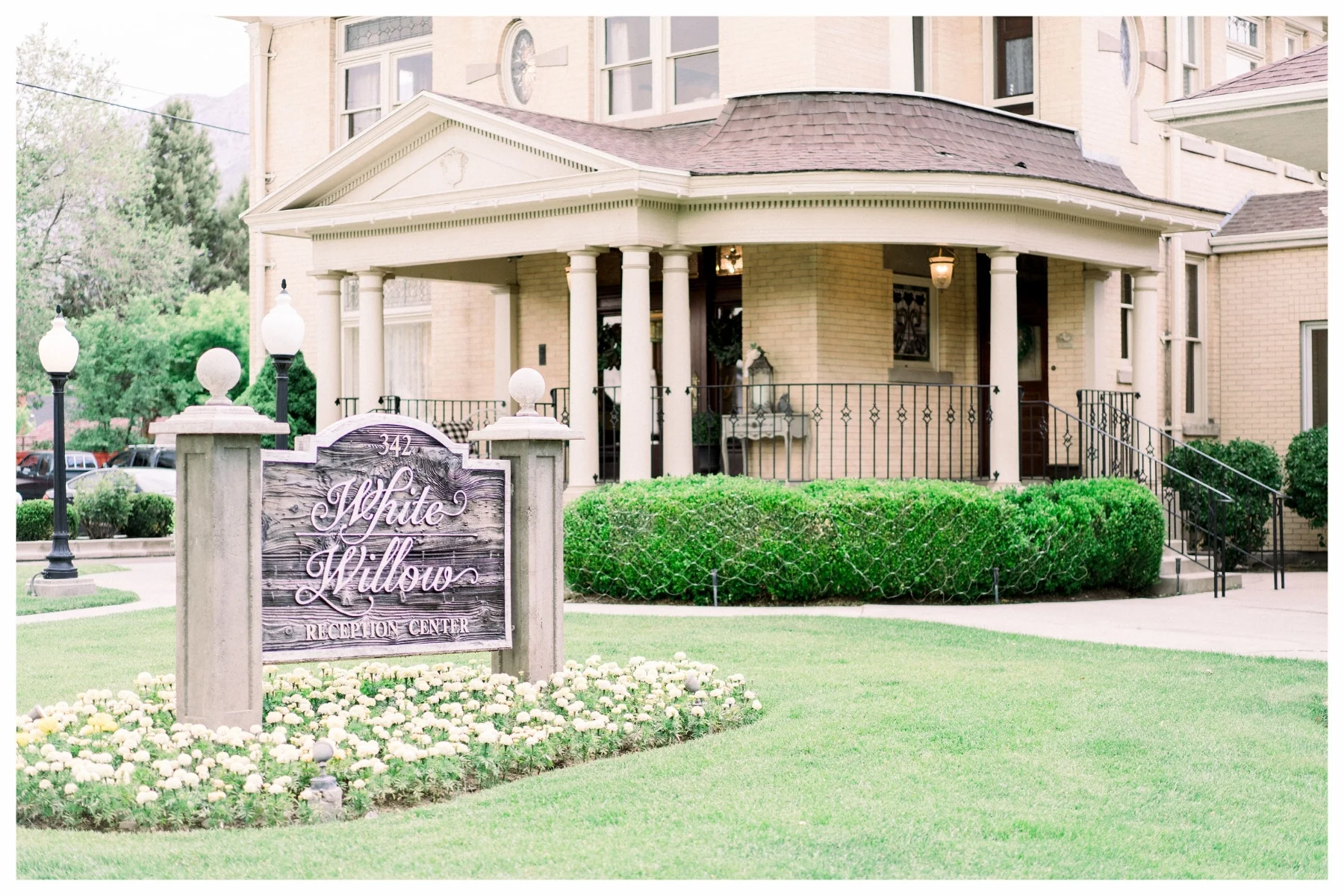
Starting at $1,000
View details →
Starting at $1,199
View details →
Starting at $1,200
View details →
Starting at $10,000
View details →Put rental, required minimums, service charges, taxes, staffing, and rentals on one worksheet so you can see the true bottom line.
Ask every venue to break out mandatory versus optional charges. Decline or swap add‑ons you don’t need.
Verify that the price you’re using applies to your exact day of week and month; ask for peak/off‑peak calendars.
Check that your guest count fits with a dance floor, buffet or stations, and ceremony seating if on site.
List deposit amounts, due dates, and any credit‑card fees. Note when quotes expire and when headcounts lock.
Understand penalties and deadlines so you know your options if plans change.
If the venue has a required list, confirm who is on it, any fees for outside pros, and their insurance needs.
Document exactly which tables, chairs, and linens are included, with quantities and styles.
No. The threshold refers to a venue’s lowest confirmed starting venue price in our directory. It doesn’t include catering, alcohol, staffing, taxes, service charges, rentals, or other event costs. Confirm your full estimate with each venue.
It varies. A starting price might cover space only with limited hours, or it could include basics like tables and chairs. Always request an inclusions list and ask about setup time, staffing, and cleaning.
Yes. Some venues or caterers require food‑and‑beverage minimums. Add those to rental, taxes, service charges, and gratuities to see your real total. Ask which purchases count toward the minimum and what happens if you fall short.
Often. Many venues adjust rates for peak months and Saturdays versus off‑peak dates and weekdays. Verify the rate for your exact date to avoid surprises.
Yes. Higher headcounts can require larger spaces, more staffing, and bigger rental orders. Some packages are capped at certain guest counts; exceeding them can change your price tier.
They can be. Many venues offer lower rates for weekdays compared to Saturdays. Request a day‑by‑day rate sheet for your target month to compare.
Align assumptions—same date, guest count, rental duration, ceremony and reception needs, and catering approach—then use itemized proposals to separate mandatory from optional charges before comparing totals.
They reflect the latest information stored in our system for each venue, but pricing can change. Treat them as a starting point and confirm current rates and inclusions directly with the venue.
Yes. A tour helps validate capacity, flow, load‑in logistics, and included rentals. It’s also the moment to confirm rules, hold times, and any restrictions relevant to your plan.
Confirm inclusions and exclusions, rental duration, setup/cleanup terms, outside‑vendor rules, food‑and‑beverage minimums, service charges, gratuities, deposits, payment schedule, cancellation and rescheduling policies, and how your exact date and guest count affect the estimate.
Utah venues offering outdoor ceremony space — from garden ceremonies to mountain-view lawns.
Utah wedding venues with starting prices under $5,000 — great picks for couples working with a smaller budget.
Utah wedding venues with starting prices at or below $5,000 — budget-friendly picks across the state. Prices reflect venue starting rates only, not full wedding cost.